Unlocking the Potential of Ornamental Shape in Modern Design
In today’s fast-paced design world, standing out is more important than ever. Whether you're an entrepreneur launching a new product line or a creative professional crafting digital content, visual elements play a crucial role in capturing attention and conveying brand identity. One such element that has been gaining popularity is the Ornamental Shape. These intricate, decorative designs are not just visually appealing; they serve as powerful tools for enhancing creativity across various platforms and industries.
What Is an Ornamental Shape?
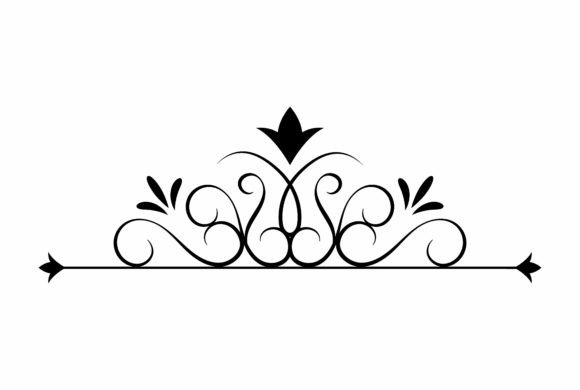
An Ornamental Shape refers to any stylized or decorative pattern used to embellish a design. These shapes often feature elaborate details such as filigree, symmetry, and flowing lines that add elegance and sophistication to projects. Unlike basic geometric forms, ornamental shapes are typically more complex and can be tailored to reflect cultural motifs, artistic styles, or thematic elements. They are commonly used in graphic design, branding, and print media to create unique and eye-catching visuals.
For example, if you're searching for a black ornament clipart illustration, an ornamental shape with intricate detailing might be exactly what you need. Such illustrations are ideal for adding depth and character to your work—whether it's for marketing materials, personal blogs, or even greeting cards.
The Rising Demand for Ornamental Shapes
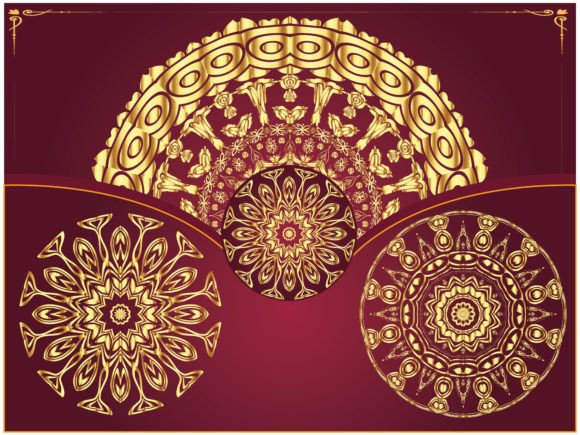
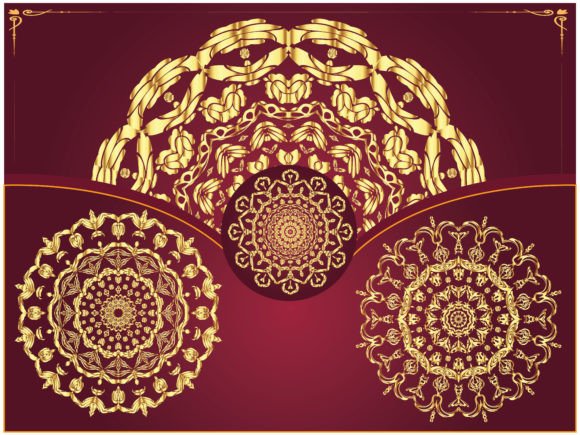
Designers and creators are increasingly turning to ornamental shapes to differentiate their work in crowded markets. In industries like fashion, publishing, and digital marketing, these shapes offer a way to infuse personality into otherwise standard templates. The oriental vector graphic trend, in particular, has seen a surge in demand due to its timeless beauty and adaptability.
Consumers today appreciate aesthetics that blend tradition with modernity. This shift in preference is evident in the popularity of abstract artwork and hand-drawn elements that evoke a sense of artistry and craftsmanship. As a result, ornamental shapes have become a go-to solution for those looking to elevate their visual storytelling.
Trends Driving Interest in Ornamental Designs
- Minimalism with Depth: While minimalist design remains dominant, there's a growing appreciation for subtle textures and patterns that add visual interest without overwhelming the viewer. Ornamental shapes fit this niche perfectly by offering complexity in a refined format.
- Customization and Personalization: With the rise of print-on-demand services and online businesses, the ability to customize designs quickly and efficiently is essential. High-quality digital files such as PNG, SVG, EPS, JPG, AI, and DXF make it easy to integrate ornamental shapes into personalized products.
- Hybrid Workspaces: Remote work and digital collaboration have led to a demand for versatile design assets. A single ornamental shape can be repurposed across multiple formats—from websites to social media graphics—making it a valuable addition to any designer’s toolkit.
Practical Applications of Ornamental Shapes
One of the most compelling aspects of ornamental shapes is their versatility. These designs can be adapted for use in both digital and print environments. For instance, the size of 4936x3319px at 300 dpi makes them suitable for high-resolution printing on paper, ensuring crisp and clear results every time.
Here are some real-world applications where an ornamental shape can shine:
- Book Covers: Adding an ornamental border or central motif can transform a simple book cover into a statement piece. This is especially effective in niche genres like poetry, spirituality, or historical fiction.
- Artwork and Illustration: Many artists incorporate ornamental shapes into their pieces to add texture, balance, or focal points. These shapes help guide the viewer’s eye and enhance the overall composition.
- Websites and Blogs: From header dividers to background accents, ornamental shapes can improve user experience by breaking up text and adding visual rhythm. They also support branding efforts by reinforcing a consistent theme or style.
- Invitation Cards: Whether it's a wedding, birthday, or business event, using a calligraphic picture as part of the design can give invitations a touch of class and individuality.
- Stickers and Greeting Cards: These items benefit from detailed yet scalable designs. An abstract artwork or filigree drawing can turn a generic sticker into a collectible item or a greeting card into a cherished keepsake.
- Banners and Business Cards: Ornamental shapes provide a way to communicate professionalism while maintaining a creative edge. For entrepreneurs and freelancers, this duality is invaluable when making a first impression.
- Scrapbooking: Scrapbook enthusiasts love incorporating ornate designs to make each page unique. These shapes allow for seamless integration into layouts, whether printed or digitally created.
Tools and Software Compatibility
Thanks to advancements in design software, creating and editing ornamental shapes has never been easier. Programs like Adobe Photoshop, Illustrator, and Photoshop Elements support these file types natively. Additionally, open-source tools such as GIMP allow users to manipulate these designs without requiring expensive subscriptions.
For those who prefer hands-on creation, the Cricut machine is an excellent option. When paired with an oriental vector graphic, it enables precise cutting on paper or other materials. This opens up opportunities for custom signage, packaging, and promotional items that align with current trends in DIY and small-batch production.
Why Are People Paying Attention Now?
The renewed interest in ornamental shapes can be attributed to several factors. First, the accessibility of digital design tools means that even beginners can experiment with these elements. Second, the rise of online marketplaces has made it easier to distribute and sell custom-designed products featuring ornamental details.
Moreover, consumers are seeking authenticity and uniqueness in their purchases. Generic designs no longer suffice. Instead, there is a strong pull toward bespoke and culturally inspired visuals. This has led to a resurgence in the use of traditional motifs reimagined through modern design techniques.
Consider the case of a small business owner who wants to launch a new line of greeting cards. By using an ornamental shape as a central design element, they can instantly give their products a distinctive look that appeals to a wide audience. Similarly, a blogger redesigning their website might choose an abstract artwork to create a memorable visual identity that stands apart from competitors.
Adapting to Changing Workflows and Expectations
As workflows evolve, so do the expectations of designers and end-users. Today’s professionals require assets that are not only beautiful but also functional across different mediums and devices. An ornamental shape must be scalable, adaptable, and compatible with various design software to meet these needs.
With the increasing use of vector-based graphics, the importance of file formats like SVG and AI cannot be overstated. These formats ensure that the ornamental design maintains clarity and sharpness regardless of how it's resized or used. For those working with physical products, EPS and DXF files offer precision for laser cutting and engraving tasks.
Additionally, the availability of all these digital files in a ZIP folder streamlines the process of acquiring and implementing design assets. It allows for quick downloads and organized storage, which is particularly beneficial for teams managing multiple projects simultaneously.
Connecting Ornamental Shape to Larger Developments
The ornamental shape isn’t just a standalone design element—it reflects broader developments in technology, culture, and consumer behavior. The integration of AI-driven design tools, for example, has enabled faster iterations and more accurate reproductions of ornate patterns. This technological advancement supports the efficient creation and distribution of ornamental graphics.
Culturally, we’re seeing a revival of interest in heritage and traditional art forms. This has led to a renewed appreciation for ornamental styles rooted in history, such as East Asian calligraphy or European baroque patterns. Designers are now blending these classic influences with contemporary aesthetics to cater to a global audience.
From a lifestyle perspective, the ornamental shape fits well into the “slow design” movement. This trend emphasizes thoughtful, meaningful creations over mass-produced items. By using an ornate design in their projects, creators contribute to a more intentional and expressive design culture.
Future-Proofing Your Design Projects
Investing in quality ornamental shapes ensures that your designs remain relevant and impactful in the long run. As trends continue to shift toward sustainability, authenticity, and personalization, having access to a diverse library of decorative art will keep your creative output fresh and competitive.
Entrepreneurs and marketers, in particular, should consider how these shapes can enhance their branding strategy. A carefully selected ornamental detail can become synonymous with a brand’s identity, helping it resonate more deeply with customers.
Where to Find the Right Ornamental Shape
If you're ready to incorporate an ornamental shape into your next project, the best place to start is by exploring curated collections of digital art. Look for sets that include a variety of abstract artwork, including black ornament clipart illustrations and oriental vector graphics. These resources are often available for immediate download, making them convenient for tight deadlines and last-minute design needs.
When selecting an ornamental shape, consider its scalability, resolution (like the 300 dpi standard), and compatibility with your preferred software. A well-crafted calligraphic picture or filigree drawing can easily transition between digital and print formats, giving you maximum flexibility.
To get started, visit a trusted design shop or marketplace that offers a broad range of decorative art. These platforms usually categorize their offerings to help you find exactly what you need—whether it's a specific motif or a general aesthetic. Don’t forget to check the file formats included; having options like PNG, SVG, and AI ensures that you can use the asset in almost any context.
Final Thoughts
The ornamental shape is more than just a design flourish—it’s a strategic choice that can elevate your work in meaningful ways. As the demand for unique, high-quality visuals continues to grow, these shapes will remain a staple in the toolkits of professionals, creators, and entrepreneurs alike.
By understanding the role of ornamental shapes in modern design and staying informed about the latest trends and technologies, you can position yourself to deliver standout visuals that capture attention and drive engagement. So, if you're looking for a black ornament clipart illustration or an elegant filigree drawing, take the opportunity to explore how these elements can enrich your next creative endeavor.