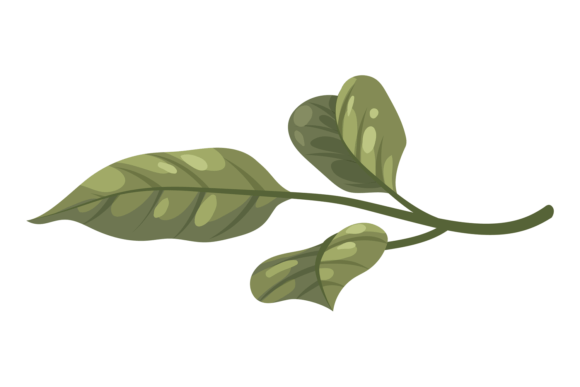
The Role of the Green Branch in Floral Composition: A Decorative Element for Modern Design
Floral composition is more than just an arrangement of flowers; it's a form of visual storytelling that uses nature’s beauty to convey emotion, symbolism, and aesthetics. One essential yet often underappreciated element in floral design is the green branch. This natural component plays a vital role in balancing, framing, and enhancing the overall look of a bouquet or decorative piece. In this article, we’ll explore the purpose, significance, and creative applications of the green branch as a floral composition element, especially when used on a white background in high-resolution formats like EPS and JPG.
What Is a Green Branch in Floral Composition?
A green branch refers to any leafy or woody stem used in floral arrangements to complement and support the blooms. These branches can come from various plants such as eucalyptus, ivy, ruscus, willow, or even coniferous trees like pine or spruce. They are valued for their texture, color, and structural properties, which help create depth and dimension in a bouquet or floral display.
Green branches are typically selected based on their shape and how well they integrate with the main flowers. For instance, a long, trailing ivy branch might be used to add movement and softness, while a rigid, upright branch like rosemary could offer a contrasting structure. When isolated on a white background, these elements become powerful tools for designers, photographers, and artists seeking to highlight botanical beauty without distraction.
Why Use Green Branches in Bouquets?
- Visual Balance: Green branches help fill out spaces between flowers, creating a harmonious and balanced composition.
- Texture Contrast: Their varied textures—rough bark, smooth leaves, feathery fronds—add interest and complexity to the design.
- Natural Frame: They can act as a frame or border around the main flowers, drawing attention to the focal point.
- Symbolism: In many cultures, green represents growth, renewal, and harmony, making it a meaningful addition to bouquets for events like weddings, funerals, or baby showers.
The Significance of Green Branches in Design
While flowers may steal the spotlight, it's the supporting elements like green branches that give a floral arrangement its character and soul. These components contribute to the overall narrative of the design. For example, in a minimalist bouquet featuring white lilies, a few strategically placed green branches can evoke a sense of elegance and purity, reinforcing the theme without overwhelming the eye.
In modern interior design and event planning, green branches are frequently used as standalone decorative elements. A single sprig of eucalyptus or a small bundle of ferns can bring a touch of nature into a room, adding freshness and sophistication. When these branches are captured in high-quality images—such as those available in EPS or JPG format—they become versatile assets for digital use in marketing, web design, or print media.
How Green Branches Enhance Aesthetic Appeal
- Color Harmony: The deep greens of branches contrast beautifully with pastel or vibrant flowers, helping to define the composition.
- Depth and Dimension: By layering different types of foliage, designers can create a three-dimensional effect that adds richness to the arrangement.
- Dynamic Flow: Curved or cascading green branches introduce movement, guiding the viewer’s eye through the design.
- Seasonal Expression: Depending on the type of branch used, a floral composition can reflect the season—think pine for winter or fresh ferns for spring.
Practical Uses of Green Branch Images in Digital Media
High-resolution images of green branches, particularly those isolated on a white background, are incredibly useful in various industries. These files are commonly found in vector (EPS) and raster (JPG) formats, each serving a specific purpose depending on the application.
Vector Format (EPS): Why It Matters
The EPS format is ideal for scalable graphics. When a green branch is illustrated in this format, it can be resized without losing quality, making it perfect for logos, illustrations, or printed materials where clarity is crucial. Designers often use EPS files for projects requiring precision, such as wedding invitations, product packaging, or branding materials that feature botanical motifs.
For instance, an EPS file of a single green branch can be incorporated into a logo for a wellness brand, symbolizing growth and vitality. Its clean lines and adaptability allow it to fit seamlessly into both traditional and contemporary designs.
Raster Format (JPG): Versatile for Web and Print
JPG files provide detailed, realistic representations of green branches. These images are widely used in web design, social media content, and advertising due to their compatibility with most platforms and devices. A JPG image of a green branch on a white background can serve as a hero image for a floral studio’s website or as part of a blog post discussing natural decor trends.
Photographers and graphic designers also prefer JPGs for their rich detail and ease of editing. Whether adjusting brightness, contrast, or blending with other elements, these files offer flexibility without compromising visual appeal.
Applications Across Different Industries
The use of green branches extends beyond physical floral arrangements. Here’s how this element is applied in various fields:
Interior Design and Home Decor
In home decor, green branches are popular in vases, wreaths, and wall art. They bring a sense of calm and organic beauty into living spaces. When used digitally, images of green branches can inspire clients through mood boards or serve as mockups for online retailers selling plant-based accessories.
Event Planning and Weddings
Weddings and special events rely heavily on floral design to set the tone. Green branches are often used in centerpieces, aisle decorations, and ceremony backdrops. Their presence ensures continuity in the design theme and offers a sustainable alternative to using only cut flowers.
E-commerce and Branding
Online businesses in the beauty, fashion, or lifestyle sectors use high-quality images of green branches to enhance their visual branding. An isolated green branch image can be layered over products to suggest a connection with nature or used in promotional banners to evoke a sense of tranquility and elegance.
Education and Creativity
In educational settings, students studying floristry, graphic design, or botany benefit from analyzing how green branches function within a composition. These studies help them understand principles of balance, contrast, and rhythm. Additionally, artists often draw inspiration from green branches to create abstract or symbolic works in painting, illustration, or sculpture.
Choosing the Right Green Branch for Your Composition
Selecting the appropriate green branch depends on several factors, including the occasion, the style of the bouquet, and the desired emotional impact. Here are some tips to guide your choice:
- Match the Occasion: For formal events, choose structured and elegant greens like boxwood or olive. For casual or rustic themes, consider wildflowers or birch twigs.
- Consider Color Variation: Not all green branches are the same shade of green. Incorporating different hues can add depth and visual intrigue.
- Balance with Flowers: If you're using large blooms, pair them with slender, wispy greens. Conversely, bold greens work well with delicate flowers like daisies or ranunculus.
- Think About Longevity: Some green branches dry out quickly, while others retain their freshness longer. This is especially important for event planners or florists working with real flowers.
Common Misconceptions About Green Branches
Despite their importance, there are some misunderstandings about the role of green branches in floral design:
- They’re Just Filler: While green branches do fill space, they are far more than passive elements. They contribute to the story being told by the arrangement.
- Only Used in Traditional Designs: Green branches are highly adaptable and can be featured in modern, avant-garde, or minimalist compositions.
- Difficult to Work With: With proper training, green branches can be easily manipulated to fit the desired shape and style.
Integrating Green Branches into Modern Life
In today’s fast-paced world, people seek ways to connect with nature. Green branches play a key role in bridging that gap. Whether it's through home décor, personal styling, or digital content, they remind us of the beauty and simplicity of the natural world.
Urban dwellers, in particular, find value in bringing the outdoors inside. A simple vase with a few green branches can transform a dull corner into a serene oasis. In offices, they’re used to promote a calming environment and boost productivity.
Technology and the Green Branch
With advancements in technology, the use of green branches has expanded beyond physical arrangements. High-resolution EPS and JPG files enable designers to incorporate these elements into digital experiences. From app interfaces to virtual reality environments, the aesthetic of a green branch can now be experienced anywhere, anytime.
Moreover, AI-driven design tools are leveraging libraries of botanical elements—including green branches—to assist users in creating professional-grade visuals without prior design experience. This democratization of floral design makes it easier for everyone to express creativity and bring natural beauty into their digital and physical worlds.
Creative Inspiration from Green Branches
Green branches aren’t just for flower arrangements—they can spark creativity in unexpected ways. Artists and designers have long been inspired by the forms and textures found in nature. Here are a few examples:
- Wall Art: A stylized image of a green branch can make a striking piece of wall art, especially when paired with minimalistic backgrounds.
- Fashion Accessories: Eucalyptus or olive branches are sometimes used in hair pieces or headbands for events like bohemian weddings or music festivals.
- Stationery and Packaging: EPS files of green branches are frequently used in stationery designs, gift boxes, and eco-friendly packaging to communicate sustainability and natural beauty.
- Digital Illustrations: Vector-based green branches are used in animations, websites, and apps to create a soothing visual experience.
Where to Find Quality Green Branch Images
For professionals and hobbyists alike, finding the right green branch image is essential. Websites offering premium stock photos and vector graphics provide access to EPS and JPG files of green branches isolated on white backgrounds. These resources ensure that the design remains crisp, clear, and visually appealing across all platforms.
When selecting images, it’s important to consider resolution, lighting, and authenticity. A well-lit green branch on a clean white background not only looks professional but also allows for easy integration into other design elements.
Conclusion
The green branch is a fundamental component in floral composition, offering both functional and aesthetic benefits. Its ability to enhance visual balance, introduce texture, and symbolize growth makes it indispensable in both traditional and modern design practices. Whether you're arranging a bouquet for a loved one or designing a digital campaign for a wellness brand, understanding the role of green branches can elevate your work significantly.
As the demand for natural, sustainable, and visually engaging designs continues to grow, the green branch remains a timeless and versatile element. Embracing its potential in both physical and digital formats opens up new avenues for creativity and expression in everyday life and business. So next time you see a bouquet graced with a green branch, remember that it’s not just a supporting player—it’s a vital part of the design’s story.