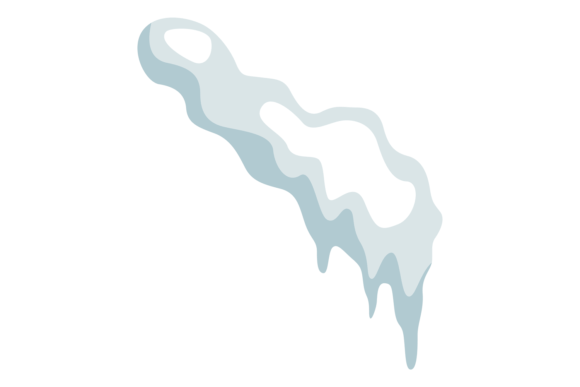
Frozen Snow Cap: A Versatile Winter Element for Decorative and Design Purposes
The Frozen Snow Cap is a striking visual element that captures the essence of winter in a single, stylized form. Often used as a decorative snowdrift, it represents the accumulation of snow on elevated surfaces like tree branches, rooftops, or rocky outcrops. When isolated on a white background, this design element becomes a powerful tool for artists, marketers, and designers looking to evoke the crisp, clean atmosphere of a snowy landscape without the complexity of full scenes.
Understanding the Frozen Snow Cap
A Frozen Snow Cap typically refers to a graphic or illustration that mimics the natural buildup of snow at the top of an object. It’s commonly used in digital art, product packaging, seasonal marketing campaigns, and website banners. The key feature of a snow cap is its shape—rounded, fluffy, and often asymmetrical—which mirrors real-life snow accumulation patterns.
When labeled as a “Winter Element,” the snow cap is positioned within a broader category of design assets meant to represent cold-weather themes. These elements might include falling snowflakes, frosted trees, icicles, or even cozy cabin scenes. However, the Frozen Snow Cap stands out due to its simplicity and adaptability.
Uses in Graphic Design and Marketing
In the world of graphic design, the Frozen Snow Cap serves multiple purposes:
- Seasonal Branding: Retailers, especially those in the holiday sector, use snow caps to enhance their branding during the winter months. They add a touch of authenticity to logos, advertisements, and social media graphics.
- Product Packaging: Companies selling winter-related items such as mittens, scarves, or hot cocoa can incorporate a Decorative Frozen Snow Cap into their packaging to create a warm, inviting aesthetic.
- Website Banners: E-commerce sites and travel agencies promoting ski resorts or winter getaways often use snow caps in their banners to signal the season and attract attention.
The EPS and JPG file formats make these elements highly versatile. EPS files are vector-based, allowing for high-resolution scaling, while JPGs are ideal for web use and print when a flat image is needed. This dual availability ensures that the Frozen Snow Cap can be adapted to various platforms and mediums with ease.
Design Characteristics of a Frozen Snow Cap
Creating an effective Frozen Snow Cap involves more than just drawing a pile of snow. Several characteristics contribute to its realism and appeal:
- Texture: Realistic snow has a soft, layered texture. Designers often use subtle gradients and soft edges to mimic how snow clings to surfaces and gets compacted over time.
- Lighting: Proper lighting is essential for creating depth and dimension. Highlights and shadows help differentiate between the top and sides of the snow cap, making it appear three-dimensional.
- Isolation: When placed against a white background, the snow cap should be cleanly separated from any other elements. This isolation makes it easier to integrate into different compositions without losing clarity.
- Scale and Proportion: Depending on the context, the size of the snow cap can vary significantly. A small one might sit atop a pine cone, while a large version could cover the peak of a mountain.
These characteristics ensure that the Winter Element remains visually appealing and thematically consistent across projects. Whether you're designing for print or digital, a well-crafted Frozen Snow Cap can elevate your work by adding a layer of seasonal storytelling.
How to Use a Frozen Snow Cap Effectively
While the Frozen Snow Cap is a powerful asset, using it effectively requires some strategic thinking. Here are a few practical tips:
- Match the Mood: A soft, pastel-colored snow cap can suggest a gentle, serene winter day, while a stark white one might convey a colder, harsher climate. Choose your color palette carefully based on the message you want to send.
- Layer for Depth: Don’t hesitate to stack multiple snow caps or combine them with other Winter Elements like snowflakes or frost textures. Layering adds richness and helps avoid flat, lifeless designs.
- Use in Composition: Place the snow cap strategically within your layout. For instance, positioning it above a gift box in a holiday ad can imply freshness or exclusivity. In a travel poster, it might highlight the height of a mountain or the charm of a cabin nestled in the snow.
- Consider Contrast: Since many snow cap images are set against white backgrounds, it's important to balance contrast with surrounding elements. If your main subject is also light-colored, consider using a darker or textured background to make the snow stand out.
Integrating Frozen Snow Cap into Modern Workflows
As part of a larger trend toward seasonal content creation, the Frozen Snow Cap fits naturally into modern workflows. Design teams working in e-commerce, advertising, or event planning often need quick access to high-quality winter-themed assets. Having a Decorative Snowdrift available in both EPS and JPG formats streamlines this process.
For example, in Adobe Illustrator, the EPS format allows for easy editing and scaling. You can adjust colors, shapes, or blend modes to better match your project's needs. Meanwhile, the JPG version is ready to use in Photoshop or online design tools, ensuring that your visuals remain sharp and professional on digital platforms.
Moreover, as more businesses adopt agile design strategies, having reusable Winter Elements like the Frozen Snow Cap can reduce production time. Instead of building entire winter scenes from scratch, designers can pull from a library of pre-made components, saving valuable hours while maintaining visual quality.
Practical Benefits of Using a Frozen Snow Cap
There are several reasons why professionals prefer using the Frozen Snow Cap in their projects:
- Time Efficiency: Pre-designed snow caps eliminate the need for complex illustration work, speeding up the creative process.
- Consistency: Reusing the same snow cap across multiple projects ensures a cohesive look, especially in branding or campaign materials.
- Professional Quality: High-resolution EPS files allow for crisp, scalable designs suitable for both print and digital media.
- Versatility: Whether you’re creating a festive greeting card or a minimalist winter advertisement, the snow cap adapts to fit the style.
One notable benefit is its ability to communicate emotion quickly. A Decorative Frozen Snow Cap doesn't just look pretty—it tells a story. It evokes feelings of peace, nostalgia, adventure, or warmth depending on how it's presented. That emotional resonance is what makes it a valuable addition to any designer's toolkit.
Common Considerations Before Choosing a Frozen Snow Cap
Before incorporating a Frozen Snow Cap into your design, there are several factors worth considering:
- Context: Will the snow cap be used in a realistic setting or a stylized one? Understanding the overall tone of your project will guide your choice in detail and color.
- Resolution Needs: If you're printing posters or signage, choose the EPS format for scalability. For web use, the JPG version is usually sufficient but may require compression adjustments.
- Color Scheme: While most snow caps are white, variations exist. Some come in shades of blue, gray, or even gold to reflect different lighting conditions or artistic styles.
- License Type: Ensure that the asset you’re using (especially if downloaded from a stock site) comes with the right usage rights. Commercial vs. personal licenses can differ significantly.
Another important consideration is how the snow cap interacts with other design elements. Placing it too prominently might overwhelm the composition, while hiding it too much could make it ineffective. Finding the right balance is key to maximizing its impact.
Real-World Applications and Examples
Let’s explore some real-world scenarios where the Frozen Snow Cap shines:
- Christmas Merchandise: A clothing brand might place a Decorative Frozen Snow Cap on a jacket zipper tag or as a border element in a holiday catalog. This reinforces the seasonal theme and enhances the product's appeal.
- Travel Industry: Ski resorts and winter vacation packages frequently use snow caps in promotional materials. A banner featuring a mountain with a Frozen Snow Cap immediately signals the destination's wintery allure.
- Interior Design: In home décor, a stylized snow cap can be used in wall art, throw pillows, or candle holders. Its presence brings a sense of calm and tranquility associated with winter landscapes.
- Digital Illustration: Artists who create winter scenes for editorial or commercial purposes often rely on individual Winter Elements like snow caps to build more intricate compositions efficiently.
These examples show how the Frozen Snow Cap isn't limited to one industry or medium. Its adaptability makes it a go-to resource for anyone needing to infuse their work with a touch of winter magic.
Choosing the Right File Format
When selecting a Frozen Snow Cap for your project, choosing the right file format is crucial. Here’s a breakdown of the two most common options:
- EPS (Encapsulated PostScript): Ideal for print and large-scale displays. Vector-based, so it scales perfectly without loss of quality. Great for logos, brochures, and signage.
- JPG (Joint Photographic Experts Group): Best suited for digital use. Provides a compressed, raster image that works well for websites, emails, and mobile apps. Choose high-resolution versions for professional results.
Most designers keep both formats on hand. The EPS version offers flexibility for future edits, while the JPG provides a ready-to-use solution for immediate deployment. Always check the resolution of the JPG before using it in print to avoid pixelation issues.
Tips for Editing and Customizing Your Snow Cap
If you’re working with an EPS file, here are some techniques to customize your Frozen Snow Cap effectively:
- Adjust Color: Many snow caps come in white, but changing the hue slightly (e.g., adding a cool blue tint) can give it a more dynamic feel.
- Add Texture: Overlaying a subtle grain or noise effect can simulate the roughness of real snow, especially useful for photo-realistic projects.
- Modify Shape: Not all snow caps have to look the same. Adjusting the shape and size can help it fit better with your scene or product.
- Experiment with Lighting: Changing the direction and intensity of highlights can dramatically alter the mood of your design. Play around with light sources to see what best suits your vision.
These customizations allow the Winter Element to become a unique part of your design rather than a generic clip-art piece. The goal is to make it feel like it belongs, enhancing the overall visual harmony of the piece.
Why the Frozen Snow Cap Stands Out Among Other Winter Elements
Compared to other Winter Elements, the Frozen Snow Cap offers distinct advantages. Unlike snowflakes, which can be overwhelming when used in excess, a snow cap is more contained and focused. It doesn’t distract from the main subject but instead complements it, providing a natural frame or accent.
It’s also more versatile than icicles or bare branches, which tend to have a narrower range of applications. A snow cap can be used in a wide variety of contexts, from fashion to food packaging, and everything in between. And because it’s often sold as a standalone asset, it’s easy to integrate into existing design systems or templates.
Furthermore, its simplicity makes it a great candidate for animation. Designers can subtly animate a snow cap to drift, fall, or melt, adding movement and interest to static designs. This capability opens the door to more engaging and interactive content, especially in video ads or website headers.
Final Thoughts on the Frozen Snow Cap
The Frozen Snow Cap is more than just a decorative flourish—it's a symbol of winter itself. As a Winter Element, it encapsulates the beauty and serenity of the season in a way that's both recognizable and adaptable. Whether you're designing for business, personal projects, or seasonal promotions, the Decorative snow cap is a valuable asset to have in your collection.
With its availability in both EPS and JPG formats, the Frozen Snow Cap is a practical choice for professionals who value efficiency and quality. By understanding its characteristics and uses, you can harness its potential to create compelling, winter-ready designs that resonate with your audience.