Square Mood Composition with Abstract Shape: A Modern Design Trend for Impactful Visuals
In the ever-evolving world of graphic design and digital content creation, visual elements play a crucial role in capturing attention and conveying messages effectively. One such element that has gained traction among designers is the Square Mood Composition with Abstract Shape. This concept blends structured geometry with freeform creativity, offering a unique way to present ideas through decorative cards and vector illustrations in formats like EPS and JPG. Whether you're a professional designer, marketer, or simply someone looking to enhance your creative projects, understanding how this trend works can help you create more compelling visuals.
What Is Square Mood Composition with Abstract Shape?
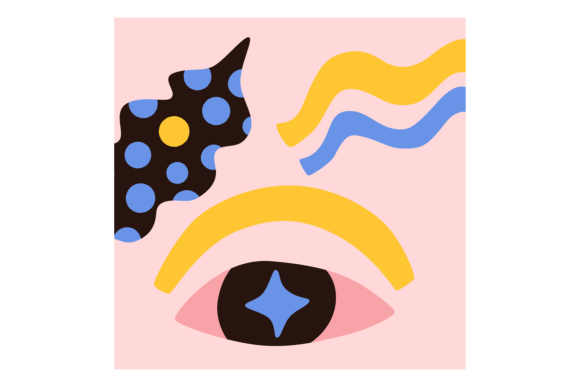
A Square Mood Composition with Abstract Shape refers to a design layout where the primary structure is a square format, often used for social media posts, greeting cards, infographics, and branding materials. Within this square framework, abstract shapes are strategically placed to evoke specific moods or themes—be it calmness, energy, innovation, or nostalgia. These shapes are typically non-representational and focus on color, form, and texture rather than literal representation.
This composition method is especially popular in vector illustration because it allows for clean lines, scalability, and adaptability across different platforms. Formats like EPS (Encapsulated PostScript) and JPG (Joint Photographic Experts Group) make it possible to use these designs in both high-resolution print and web-based applications without compromising quality.
The Rise of Abstract Shapes in Modern Design
Abstract art and design have long been staples in the creative industry, but their popularity has surged in recent years due to changing user expectations and evolving digital aesthetics. With the rise of minimalism and flat design, abstract shapes have become a go-to tool for adding visual interest while maintaining simplicity.
Designers are increasingly turning to abstract compositions to break away from traditional layouts and inject personality into their work. The square mood composition serves as a perfect canvas for this kind of experimentation. It offers a balanced structure that abstract shapes can either complement or contrast with, depending on the intended emotional impact.
- Minimalist Appeal: Abstract shapes provide subtle visual cues that align well with minimalist design principles.
- Emotional Resonance: Different colors and forms can be used to reflect moods, making the design more relatable and expressive.
- Adaptability: Vector files like EPS ensure the design remains sharp and scalable, ideal for logos, icons, and promotional materials.
How This Trend Aligns with Current Workflows and Platforms
With the growing importance of mobile-first design and platform-specific content, square compositions have become essential. Social media platforms like Instagram and Pinterest favor square images, and the abstract shape adds a dynamic touch to otherwise static frames. For marketers and entrepreneurs, using square mood compositions can mean better engagement rates and a more cohesive brand presence across various channels.
Moreover, the use of vector illustrations ensures that these designs remain versatile. You can easily modify colors, scale them for different resolutions, or repurpose them for print. JPG versions are handy when you need a quick preview or a compressed file for online sharing.
Practical Applications for Designers and Businesses
Let’s explore some real-world uses of Square Mood Composition with Abstract Shape and why they matter:
1. Branding and Identity
Businesses aiming to build a strong visual identity often use abstract shapes to represent core values or emotions tied to their brand. For instance, a wellness company might incorporate soft curves and cool tones within a square layout to convey serenity and balance. Using vector files allows for consistent application across all marketing collateral—from business cards to website banners.
2. Social Media Content
Instagram Stories, Facebook cover photos, and other social media assets benefit greatly from square layouts. By integrating abstract shapes, you can create eye-catching thumbnails that stand out in a crowded feed. These designs can be exported in JPG format for instant sharing and in EPS for future editing.
3. Educational and Presentation Materials
Educators and trainers can use square mood compositions to add visual appeal to slides or handouts. Abstract shapes can highlight key points or sections, guiding the viewer's attention and enhancing information retention. Their flexibility makes them suitable for both digital and printed educational tools.
4. Digital Marketing Campaigns
From landing pages to email headers, abstract shapes in square compositions help establish a modern, visually engaging tone. They allow marketers to differentiate their content while staying aligned with current trends in UI/UX design.
Why This Trend Is Gaining Momentum
Several factors contribute to the increasing adoption of square mood compositions with abstract shapes:
- Changing Screen Sizes: As users engage with content on diverse devices, square formats offer a responsive and adaptable solution.
- Visual Storytelling: Abstract shapes enable designers to communicate complex ideas in a simplified and artistic manner.
- Software Advancements: Tools like Adobe Illustrator and Inkscape make it easier to create and manipulate vector-based abstract designs, encouraging more creators to experiment with them.
- User Preferences: Audiences today seek authenticity and creativity in design. Abstract compositions fulfill this demand by offering something fresh and emotionally engaging.
Observations from Industry Usage
Many leading brands and independent creatives have adopted this approach. For example, lifestyle blogs often feature square mood cards with abstract shapes to introduce new posts or segments. These cards act as teasers, inviting users to click and explore further. Similarly, startups leverage abstract vector illustrations to showcase their innovative spirit and differentiate themselves in competitive markets.
Freelancers and small business owners also benefit from this trend. By using pre-made templates or creating custom designs, they can maintain a professional yet stylish look without investing heavily in photography or elaborate graphics.
Creating Your Own Square Mood Composition
If you're interested in incorporating abstract shapes into your own designs, here are a few practical steps to get started:
- Define the Mood: Start by identifying the emotion or message you want to convey. Is it excitement, tranquility, professionalism, or something else? This will guide your choice of colors and shapes.
- Select a Square Canvas: Choose a square-sized workspace in your design software. This helps maintain consistency, especially if the final output will be used on platforms that prioritize square imagery.
- Experiment with Abstract Elements: Use geometric patterns, fluid lines, or layered textures to build depth and visual intrigue. Don’t be afraid to mix and match styles—this is where creativity thrives.
- Export in Multiple Formats: Save your design in both EPS for high-quality editing and JPG for quick online distribution. This dual approach ensures maximum usability.
Tools and Resources for Designers
To create effective Square Mood Compositions, consider using the following tools:
- Adobe Illustrator: Ideal for crafting vector-based abstract designs with precision.
- Figma: Great for collaborative design projects and exporting in multiple formats including JPG.
- Canva: Offers templates and drag-and-drop features for beginners who want to experiment with abstract shapes quickly.
- Vector Stock Marketplaces: Websites like Shutterstock or Envato Elements provide ready-made EPS files for those who prefer to start from existing templates.
Recommendations for Maximum Impact
While experimenting with abstract shapes and square compositions is fun, there are best practices to keep in mind for optimal results:
- Balance is Key: Even though the design is abstract, avoid overcrowding the square with too many elements. Maintain harmony between shapes and negative space.
- Color Psychology Matters: Choose colors that align with the mood you want to project. Blues and greens are calming, while reds and oranges suggest energy and urgency.
- Stay Consistent: If you’re using this style for branding, ensure the same abstract motifs appear across all your materials for a unified look.
- Test on Real Devices: Preview your square design on different screens to confirm readability and visual clarity before publishing.
Realistic Examples of Use
Here are a few scenarios where Square Mood Composition with Abstract Shape can be particularly useful:
- Event Invitations: A decorative card featuring a square layout with abstract background shapes can make your event stand out.
- Portfolio Thumbnails: Freelancers can use these compositions to showcase their work in a visually appealing grid.
- Infographics: When paired with text, abstract shapes can help segment information and guide the reader's eye through the data.
- App Icons: Many app developers now opt for abstract square icons to express functionality and purpose through simple, memorable designs.
Looking Ahead: What to Expect
As technology continues to evolve and user habits shift toward more immersive and personalized experiences, the role of abstract shapes in design will likely expand. We may see more integration with interactive elements, animations, and AI-assisted design tools. However, the fundamental appeal of the square mood composition lies in its simplicity and versatility—factors that won’t lose relevance anytime soon.
For professionals, staying ahead means not only adopting new tools but also understanding how to use them creatively. Square mood compositions with abstract shapes are a testament to how combining structure and spontaneity can yield powerful visual outcomes.
Final Thoughts
The Square Mood Composition with Abstract Shape is more than just a passing fad—it’s a thoughtful design strategy that bridges the gap between function and expression. Whether you're designing for personal use or commercial purposes, leveraging this technique can elevate your work and connect more deeply with your audience. With the right tools and an understanding of the underlying principles, anyone can harness the power of abstract shapes in a square format to craft meaningful and impactful visuals.