Falling Music Notes Backgrounds: The Art of Decorative Audio Design in Visual Media
Whether you're designing a website, creating a presentation, or producing a music-related video, the right visual elements can significantly enhance your message. One popular and versatile design choice is the Falling Music Notes Background. These animated or static graphics are more than just eye candy—they serve as a bridge between auditory and visual experiences, especially in contexts where music plays a central role.
What Is a Falling Music Notes Background?
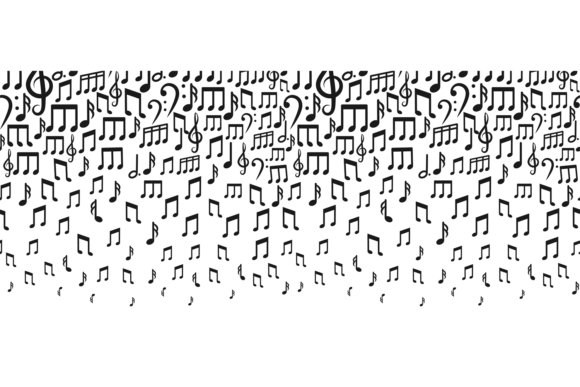
A Falling Music Notes Background typically features stylized musical notes that appear to descend from the top of the screen or canvas. This effect can be rendered in various styles—realistic, cartoonish, minimalist, or abstract—and often incorporates motion, transparency, and layering for a dynamic feel. These backgrounds are commonly used in digital media such as web banners, app interfaces, promotional materials, and even physical designs like posters and merchandise.
The term “Decorati” (short for decorative) refers to the artistic value these backgrounds bring. A well-crafted falling music notes background doesn't just look good; it adds context, emotion, and rhythm to the visual composition. In audio-centric industries like music production, streaming services, and event promotion, this kind of visual storytelling is invaluable.
Why Use Falling Music Notes in Design?
- Visual Representation of Sound: Music is an intangible experience, but visuals help make it more relatable. Falling notes create a sense of movement and energy that mirrors the flow of a melody.
- Brand Identity Enhancement: For businesses in the music industry, using falling notes in their branding can instantly communicate what they do. It's a subtle yet effective way to reinforce brand recognition.
- Engagement and Interest: Animated falling notes can capture attention quickly, making them ideal for landing pages, social media posts, or any platform aiming to stand out visually.
- Emotional Resonance: Depending on the style, these backgrounds can evoke feelings ranging from nostalgia to excitement. A whimsical set of falling notes might appeal to a casual audience, while a sleek, modern version could suit high-end audio equipment marketing.
Choosing the Right Style for Your Project
Not all falling music note designs are created equal. When selecting or creating one, consider the tone and purpose of your project. Here are some common styles and when they’re best used:
- Cartoon Style: Bright colors and playful shapes work well for children’s music apps or educational platforms.
- Minimalist Style: Clean lines and subtle animations are perfect for websites or logos that aim for sophistication and clarity.
- Retro Style: Think vinyl records, old-school fonts, and sepia tones. Ideal for vintage-themed projects or analog music lovers.
- Abstract Style: Geometric shapes and fluid movements can add a modern twist to tech-oriented music applications or digital art displays.
Common File Formats and Their Uses
When working with Falling Music Notes Backgrounds, understanding file formats is crucial for ensuring compatibility and quality across different platforms. Here's a quick breakdown of the most common ones:
- EPS (Encapsulated PostScript): This vector format is great for print and high-resolution scaling. It allows designers to maintain sharp edges and clarity, even when resizing. EPS files are ideal for logos or illustrations that need to be printed at large sizes without losing detail.
- JPG (Joint Photographic Experts Group): Known for its balance between quality and file size, JPG is suitable for web use. If you're embedding a falling music notes background into a webpage or blog post, a JPG image offers fast loading times and decent resolution.
- SVG (Scalable Vector Graphics): Like EPS, SVG is a vector format but optimized for web use. It supports animation, interactivity, and scalability, making it perfect for responsive design. You can easily embed an SVG directly into HTML code for seamless integration.
- Transparent PNG: This raster format preserves transparency, which is essential if you want the falling notes to blend with other background elements. Transparent PNGs are widely used in UI/UX design, app icons, and layered compositions.
How to Incorporate Falling Music Notes Into Modern Workflows
In today's digital-first world, the ability to adapt visuals across multiple platforms is key. Falling music notes backgrounds are no exception. Here’s how they fit into various workflows:
Web Development: With SVG support in CSS and JavaScript, developers can animate falling notes directly within the browser. This approach reduces the need for external plugins and ensures cross-browser compatibility.
Graphic Design: Tools like Adobe Illustrator and Inkscape allow for easy customization of vector-based falling note designs. You can change colors, spacing, speed, and direction to match your project’s theme or mood.
Video Production: Falling notes can be used as overlays in music videos, promotional clips, or YouTube intros. Software like After Effects offers pre-built templates or allows for custom animation, giving creators full control over timing and effects.
Print Media: For events like concerts, festivals, or album launches, a high-quality EPS file ensures your falling notes remain crisp and professional on everything from flyers to stage backdrops.
Practical Benefits of Using Falling Music Notes Backgrounds
There are several tangible benefits to using falling music notes in your designs. First and foremost, they offer a unique visual element that can differentiate your content in a crowded digital landscape. But there's more to it than aesthetics:
- Flexibility: These backgrounds come in many forms and can be adapted to suit both simple and complex design needs.
- Customization Options: From color palettes to animation speeds, falling note designs can be tailored to reflect the personality of your brand or project.
- Time Efficiency: Many pre-made falling music note templates are available online, allowing you to implement them quickly without starting from scratch.
- Universal Appeal: Music is a global language, and incorporating falling notes can make your content more accessible and engaging to diverse audiences.
Design Considerations Before Choosing a Falling Music Notes Background
While falling music notes can elevate your design, it's important to choose the right one for your specific use case. Here are a few factors to keep in mind:
- Color Scheme: Ensure the notes complement your primary palette. High-contrast combinations may work for bold statements, while muted tones can provide a more elegant backdrop.
- Animation Speed: Too fast, and the notes may become distracting. Too slow, and they might not convey the intended energy. Test different speeds to find the sweet spot.
- Layering and Depth: A good falling notes background should have a sense of depth. Layered notes with varying opacities and trajectories can simulate realism and dimensionality.
- File Size and Performance: Especially for web and mobile use, opt for optimized formats like SVG or compressed JPGs to ensure smooth performance without compromising visual fidelity.
Where to Find or Create Falling Music Notes Backgrounds
If you're looking to incorporate a Decorati falling music notes background into your next project, you have a few options:
- Stock Marketplaces: Sites like Shutterstock, Envato Elements, and Adobe Stock offer thousands of professionally designed falling note backgrounds in various formats including EPS, SVG, and transparent PNG.
- Design Tools: Platforms like Canva, Figma, and Sketch include customizable templates that feature falling notes. These tools are excellent for beginners or those who prefer drag-and-drop interfaces.
- Custom Illustration: For a truly unique touch, hire a designer or use vector illustration software to craft your own falling music notes background. This gives you complete creative freedom and aligns the design perfectly with your brand identity.
Real-World Examples of Falling Music Notes in Action
To better understand how falling music notes can be applied, let’s look at some real-world scenarios:
- Streaming Platform Landing Page: A service like Spotify or Apple Music might use an animated falling notes background on a promotional page for a new playlist launch. The notes could subtly move in sync with the featured songs' tempo.
- Music School Website: A clean, minimalist falling notes background can be used behind course listings or instructor bios to create a welcoming and artistic atmosphere.
- Podcast Intro Animation: Podcasters focused on music or sound design often use falling notes in their intros. This helps set the tone and reinforces the podcast’s theme.
- Merchandise Packaging: A transparent PNG of falling notes could be layered onto a CD sleeve or T-shirt design, adding a sense of motion to otherwise static items.
Best Practices for Using Falling Music Notes Backgrounds
While the concept is appealing, improper use can lead to clutter or confusion. Here are some tips to maximize the effectiveness of your falling music notes background:
- Balance Overload: Avoid overusing animated elements. Let the notes fall gently without overwhelming the viewer or competing with other text and images.
- Match the Tone: A classical piano piece might pair better with traditional treble clefs and slower animation, while an EDM track would benefit from faster-paced, neon-colored notes.
- Consider Accessibility: Make sure the animation doesn’t cause discomfort or interfere with readability. Offer alternative static versions for users who prefer reduced motion settings.
- Test Across Devices: Always preview your background on different screens and resolutions to ensure it looks consistent and performs well everywhere.
Tools and Resources for Creating Your Own Falling Music Notes Background
Creating a Decorati falling music notes background has never been easier. Here are some recommended tools:
- Adobe Illustrator: Industry-standard software for crafting scalable vector graphics.
- Inkscape: A free, open-source alternative to Illustrator for detailed vector illustration.
- Canva: Great for beginners with built-in templates and easy-to-use editing tools.
- Figma: Perfect for collaborative design projects and prototyping interactive elements.
These tools give you the flexibility to experiment with shapes, colors, and animation styles until you achieve the desired effect.
Final Thoughts on Decorative Audio Design
In the ever-evolving world of design, combining sound and visual elements opens up new possibilities for creativity and engagement. A Falling Music Notes Background is more than just a trendy graphic—it’s a strategic choice that enhances user experience and communicates intent through motion and symbolism.
As you explore the potential of Decorati-style backgrounds, remember to prioritize usability and relevance. Whether you're going for a whimsical vibe or a sleek, modern look, the right falling music notes background can transform your project from ordinary to extraordinary.