Heidi: A Unique Decorative Lettering Design for Creative Projects
Lettering design plays a crucial role in visual communication, especially when it comes to branding, marketing, and creative expression. One standout name in this space is Heidi, a decorative lettering style that has captured the attention of designers, artists, and business owners alike. Known for its elegant curves and artistic flair, Heidi offers a blend of sophistication and charm that can elevate any project. In this article, we’ll explore what makes Heidi special, how it can be used, and why it might be the right choice for your next creative endeavor.
What Is Heidi?
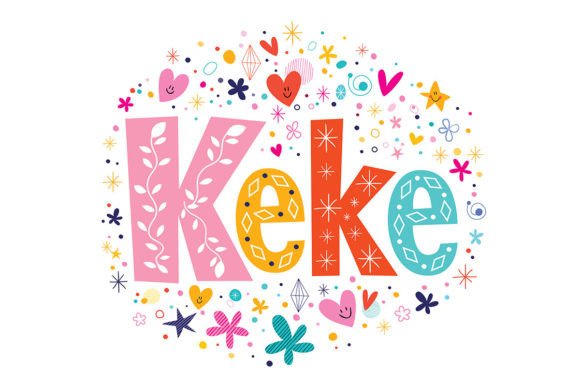
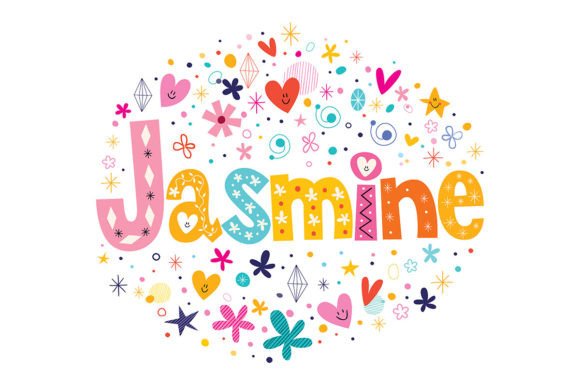
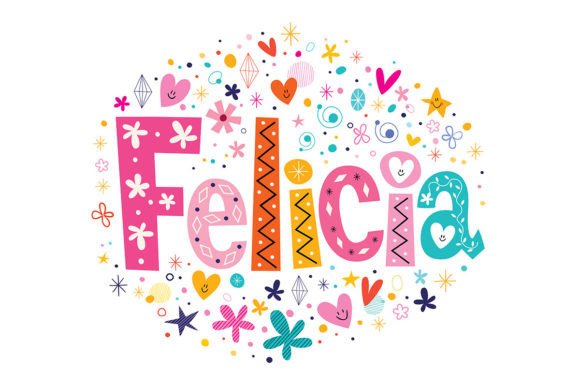
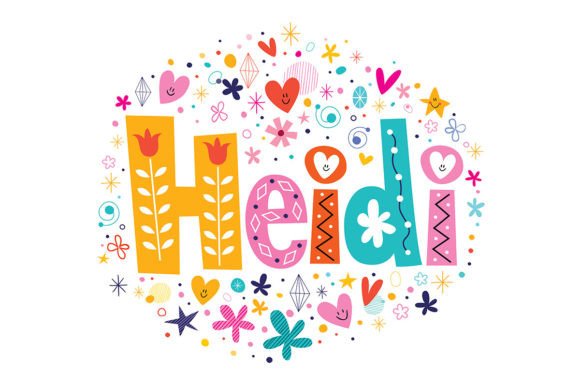
Heidi is more than just a font—it’s a carefully crafted lettering design with a distinct personality. The name itself evokes warmth and approachability, qualities that are reflected in the typography. This lettering style features soft, flowing lines and intricate details that make it visually appealing while maintaining legibility. It is often used in contexts where creativity and personalization are key, such as invitations, logos, packaging, and social media graphics.
Design Characteristics of Heidi
- Flourishes and Swashes: Heidi includes ornate elements like flourishes and swashes that add an artistic touch without overwhelming the text.
- Elegant Curves: The letters are designed with smooth, rounded edges that give the typeface a friendly yet refined appearance.
- Customizability: As part of a zipped file containing both an EPS (Adobe Illustrator) and a JPG (5669px x 5311px) format, Heidi allows for high-quality scalability and flexibility in editing.
- High Resolution: The included JPG image ensures crisp visuals even when printed or displayed at large sizes, making it ideal for posters, banners, and signage.
Purpose and Use Cases for Heidi
The purpose of Heidi extends beyond aesthetics; it serves as a powerful tool for storytelling and brand identity. Whether you’re designing a logo for a boutique or creating a custom banner for a wedding, Heidi can help convey a sense of elegance and individuality. Its versatility makes it suitable for a wide range of applications across different industries.
Common Applications of Heidi
- Wedding Invitations and Stationery: With its romantic and classic feel, Heidi is a popular choice for wedding-related designs. The detailed strokes and graceful forms complement handwritten-style layouts and vintage themes.
- Brand Logos and Packaging: Businesses in the beauty, fashion, and lifestyle sectors often use Heidi to create memorable logos and product packaging. The lettering adds a premium look that can enhance perceived value.
- Art Prints and Illustrations: Artists appreciate Heidi for its decorative nature, using it to create eye-catching art prints, greeting cards, and other visual works.
- Social Media and Web Graphics: The high-resolution JPG file allows creators to use Heidi in digital projects without losing quality. It’s particularly effective in Instagram posts, Pinterest boards, and website headers.
Who Can Benefit from Using Heidi?
Heidi is not limited to professional designers—anyone who wants to add a touch of creativity to their work can benefit from using it. Here’s a closer look at some of the users who find Heidi especially valuable:
- Graphic Designers: They use Heidi to offer clients a unique and stylish option for headings, titles, and branding materials.
- Business Owners: Entrepreneurs looking to differentiate their brand can incorporate Heidi into logos, menus, and promotional content to stand out in competitive markets.
- Creative Professionals: From illustrators to calligraphers, Heidi provides an expressive medium for those who want to blend typography with hand-drawn elements.
- DIY Enthusiasts: Hobbyists and crafters love Heidi for its adaptability in personal projects like scrapbooking, home decor, and handmade gifts.
Why Heidi Appeals to These Users
For graphic designers, the availability of an EPS file means they can easily edit each character in Adobe Illustrator, adjusting stroke widths, adding effects, or customizing spacing. Meanwhile, the JPG file included in the zipped package ensures that even those without design software can access and use Heidi in their projects. Its combination of beauty and usability makes it a favorite among professionals and amateurs alike.
Strengths of Heidi
There are several strengths that set Heidi apart from other decorative fonts:
- Visual Appeal: The ornamental details and fluid structure of Heidi make it immediately noticeable and aesthetically pleasing.
- Scalability: Thanks to the vector-based EPS file, Heidi maintains clarity at any size, which is essential for both print and digital use.
- Compatibility: The zipped file includes formats that work well with most design software and platforms, ensuring broad accessibility.
- Emotional Impact: Heidi conveys warmth and elegance, making it perfect for projects aimed at evoking a specific mood or tone.
Real-World Examples of Heidi in Action
Here are a few scenarios where Heidi has been effectively utilized:
- A local bakery uses Heidi in their logo and packaging to reflect a cozy, artisanal vibe that resonates with customers.
- An event planner incorporates Heidi into wedding invitations and signage, giving them a timeless and personalized feel.
- A freelance artist creates a series of greeting cards featuring Heidi, resulting in a cohesive and visually striking collection.
- A boutique owner applies Heidi to product tags and social media posts, enhancing brand consistency and customer engagement.
Considerations When Using Heidi
While Heidi is a versatile and attractive lettering design, there are certain considerations to keep in mind before incorporating it into your work:
Readability Concerns
Decorative fonts like Heidi can sometimes sacrifice readability for style. It's important to ensure that the message remains clear, especially if the text needs to be read quickly or at a distance. For long passages, pair Heidi with a clean sans-serif or serif font to maintain balance and legibility.
Appropriate Contexts
Heidi shines best in settings where style enhances rather than distracts from the message. Avoid using it in formal reports, legal documents, or situations requiring strict professionalism. Instead, reserve it for branding, promotions, or creative projects where visual appeal is a priority.
Technical Requirements
To fully utilize Heidi’s potential, you may need design software like Adobe Illustrator to open the EPS file. If you're working on digital platforms that don’t support vector files, the provided JPG can serve as a high-quality alternative. Always check the compatibility of the file formats with your tools and workflows.
Practical Expectations and Limitations
Understanding what Heidi can and cannot do will help you make better decisions about its use. While it excels in visual impact, it may not always be the best fit for every situation. Here are some practical expectations to consider:
- Not Ideal for Long Text: Because of its decorative nature, Heidi is best suited for short phrases, headlines, or accents rather than full paragraphs.
- May Require Licensing: Before using Heidi in commercial projects, verify the licensing terms to ensure compliance and avoid legal issues.
- Learning Curve for Customization: Editing the EPS file requires some familiarity with Adobe Illustrator. Beginners may need to invest time in learning basic tools or seek assistance from experienced designers.
How to Get Started with Heidi
If you're interested in using Heidi for your next project, here are a few steps to guide you:
- Download the Zipped File: Access the Heidi lettering design, which typically includes an .eps file for editing and a .jpg for display purposes.
- Open in Adobe Illustrator: Use the EPS file to customize the lettering. You can adjust colors, add textures, or modify individual characters for a truly unique look.
- Use the JPG for Digital Projects: For web-based or quick-use applications, the JPG file is ready to go. Just drag and drop it into your design or presentation.
- Test Different Uses: Try Heidi in various formats and sizes to see how it performs in different contexts. Make sure it aligns with your overall design goals and audience preferences.
Evaluating Heidi for Your Needs
When deciding whether Heidi is the right lettering design for your project, consider the following factors:
- Project Type: Does your project require bold, decorative typography? Heidi is ideal for logos, posters, and branding materials but less suitable for body text.
- Target Audience: Will your audience respond positively to Heidi’s aesthetic? Consider age, cultural background, and the tone you wish to communicate.
- Medium of Use: Are you printing the design or displaying it digitally? Both the EPS and JPG versions are optimized for their respective uses.
- Time and Skill Level: Do you have the time and technical skills to edit the EPS file? If not, the JPG version can still provide excellent results with minimal effort.
Alternatives to Heidi
If Heidi doesn’t quite meet your requirements, consider these alternatives based on similar styles:
- Brush Script: A classic script font with a softer, more casual feel.
- Great Vibes: A modern, highly stylized script that shares Heidi’s decorative appeal.
- Playfair Display: A serif font with elegance and sophistication, suitable for editorial and luxury branding.
- Lobster: Another playful and bold script option for eye-catching headlines and logos.
Final Thoughts on Heidi
Heidi represents a thoughtful intersection of artistry and functionality. Whether you're a designer, business owner, or hobbyist, this decorative lettering design can bring a unique flair to your work. By understanding its strengths, limitations, and appropriate use cases, you can harness Heidi’s potential to create compelling and memorable visuals. Always remember to evaluate your specific needs and test the design in real-world applications before finalizing your project.
Conclusion
In summary, Heidi is a versatile and visually rich lettering design that can add depth and personality to your creative output. With the inclusion of an Illustrator 10 EPS file and a high-resolution JPG, it caters to both advanced and casual users. When chosen wisely and applied appropriately, Heidi can become a valuable asset in your design toolkit, helping you connect with your audience through beautiful, meaningful typography.