Understanding Puberty: Key Insights and Common Misconceptions
Puberty is a natural phase of human development that marks the transition from childhood to adulthood. It involves a series of physical, emotional, and hormonal changes as the body prepares for reproductive capability. While it's a universal experience, many people still have questions or misunderstandings about what puberty entails and how best to navigate it—especially if they're parents, educators, healthcare professionals, or content creators aiming to inform others.
What Is Puberty?
Puberty is the process during which a child’s body matures into an adult body capable of sexual reproduction. This stage typically begins between ages 8 and 14 in girls and 9 and 15 in boys, though individual variation is common. The process is triggered by the release of hormones such as estrogen and testosterone, which cause secondary sexual characteristics to develop and the reproductive system to become functional.
Common signs of puberty include growth spurts, voice changes, the appearance of body hair, acne, and emotional fluctuations. These changes are part of a normal developmental trajectory, but they can be confusing or overwhelming without proper understanding and support.
Why People Are Interested in Puberty
There are several reasons why individuals and professionals might seek information about puberty:
- Parents and Guardians: Wanting to guide their children through this complex period with empathy and accuracy.
- Teachers and Educators: Needing to provide age-appropriate sex education or address classroom concerns related to adolescent development.
- Healthcare Providers: Seeking to recognize and manage health-related issues like early or delayed puberty, menstrual irregularities, or hormonal imbalances.
- Content Creators and Marketers: Looking to create educational or product-focused material for teens and young adults.
- Individuals Going Through Puberty: Craving reassurance and accurate information to better understand their own bodies.
Common Mistakes and Misunderstandings About Puberty
Despite its prevalence, puberty is often misunderstood. Here are some of the most frequent misconceptions and errors in perception or approach:
1. Assuming All Children Develop at the Same Rate
One of the biggest mistakes is expecting all children to follow the same timeline. In reality, puberty can begin earlier or later depending on genetics, nutrition, and environmental factors. Comparing one child to another can lead to unnecessary concern or pressure.
Better Approach: Encourage open conversations about individual differences and focus on healthy habits rather than rigid expectations. If you're a parent or educator, emphasize that there’s no “right” time for puberty to start—only a range considered normal.
2. Overlooking Emotional and Psychological Changes
Puberty isn't just physical—it also brings significant emotional shifts due to hormone fluctuations. Many people underestimate the psychological impact, leading to miscommunication or frustration when dealing with adolescents.
Example: A teen may suddenly seem moody or distant. Instead of dismissing this as laziness or rebellion, recognizing it as a hormonal shift allows for more compassionate responses.
Solution: Foster a supportive environment where feelings are acknowledged and validated. Encourage journaling, art, or other creative outlets to help teens express themselves.
3. Relying on Outdated or Inaccurate Information
With so much information available online, it's easy to come across myths or outdated facts about puberty. For instance, some believe that acne is only caused by poor hygiene or that girls should avoid exercise once menstruation begins—both are incorrect.
Consequences: Misinformation can lead to poor self-care, anxiety, or even health risks. When creating content or advising someone else, using unverified sources undermines credibility and could harm your audience.
How to Avoid: Always reference reputable medical or educational organizations such as the American Academy of Pediatrics (AAP), Mayo Clinic, or Planned Parenthood. Cross-check facts before sharing them publicly.
Choosing the Right Resources About Puberty
If you're looking to download, use, or apply resources related to puberty—such as design files, educational materials, or marketing templates—there are a few key considerations to ensure quality and relevance.
Design Files Like "Puberty Isolated on White Decorative Lettering" – What to Watch For
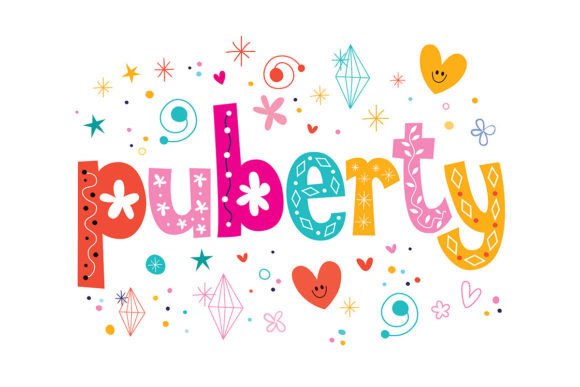
When searching for visual assets such as the "Puberty" isolated on white decorative lettering type design, which comes in a zipped file format including EPS and JPG versions, it's important to choose wisely. These types of files are commonly used in graphic design projects, presentations, websites, or promotional materials targeting teenage audiences or health topics.
However, not all downloadable design files are created equal. Some common pitfalls include:
- Low-resolution images that appear blurry when printed or displayed large.
- Incomplete file sets—like missing vector formats (EPS) or not including transparent backgrounds.
- Fonts embedded improperly, making the text unusable in different contexts.
Realistic Example: Suppose you're designing a school presentation about puberty and need clear visuals. You download a ZIP file containing the word "Puberty" in decorative lettering, but upon opening the folder, you find only a low-quality JPG with a background. Now you’re forced to redesign or risk a subpar outcome.
Corrective Action: Before downloading any design file, check the preview images and confirm that the package includes both high-resolution formats (like 5669px x 4606px JPG) and scalable vector graphics (such as EPS compatible with Illustrator 10). Also verify that the design has a transparent background if needed, and that fonts are either outlined or properly licensed.
Practical Advice for Using Puberty-Related Design Assets
If you're a designer, marketer, or educator using visual assets related to puberty, here are some tips to maximize usability and effectiveness:
- Check File Compatibility: Make sure the EPS file works with your version of Adobe Illustrator. If you're using Illustrator 10, consider whether the file was designed for that specific version or newer ones. Older versions may not support certain features or layers.
- Use High-Resolution Images: When working with JPGs, especially for print or digital banners, always opt for images with a resolution suitable for your intended use. The 5669px x 4606px size is excellent for large displays or posters but may be overkill for small web buttons.
- Ensure Licensing Permissions: Confirm that the design is royalty-free or that you have the appropriate license for commercial use, especially if you're using it in branding, advertising, or educational tools.
- Test the Design in Context: Open the file in your project layout to see how it looks next to other elements. Sometimes, the color contrast or font style may not work well depending on your background or theme.
How to Evaluate and Apply Puberty Content Effectively
Whether you're developing a blog post, infographic, or social media campaign involving puberty, the way you present the topic can significantly affect engagement and understanding. Here’s how to do it right:
Use Clear and Age-Appropriate Language
Avoid overly technical terms unless your audience is specifically trained in biology or medicine. Use simple, conversational language to explain concepts like hormone levels, menstrual cycles, or testicular development.
Include Visual Aids Thoughtfully
Visual assets like the "Puberty" lettering design can enhance your message—but only if used correctly. Don’t let flashy visuals overshadow clarity. Place the design in a context that supports learning or communication, such as headers for educational sections or logos for health campaigns.
Be Culturally and Psychologically Sensitive
Puberty affects every child differently, and cultural attitudes toward adolescence vary widely. Be respectful of diverse perspectives and avoid assumptions based on gender or ethnicity. Use inclusive language and imagery to build trust and accessibility.
Before You Decide: Checklist for Puberty-Related Projects
To help you make informed choices, consider the following checklist before finalizing your decision to use puberty-related resources:
- Have I confirmed the design file includes both EPS and JPG formats?
- Is the resolution sufficient for my intended platform (web, print, etc.)?
- Does the design align with the tone and purpose of my project?
- Am I using credible sources for the biological or psychological information presented?
- Have I tested the file in my design software to ensure compatibility?
- Will the content resonate with the target audience (teens, parents, educators)?
- Am I providing balanced, factual, and non-judgmental information?
Conclusion: Better Choices Lead to Better Results
Understanding puberty is essential for anyone involved in guiding or educating young people. Whether you're navigating it firsthand or creating content for others, taking the time to learn accurate information and choose reliable resources will improve outcomes and foster trust.
By avoiding common mistakes, selecting high-quality design files like the "Puberty" isolated lettering, and applying practical strategies, you can communicate effectively and confidently. Remember, the goal is to empower—not overwhelm—and to support healthy development with clarity and care.