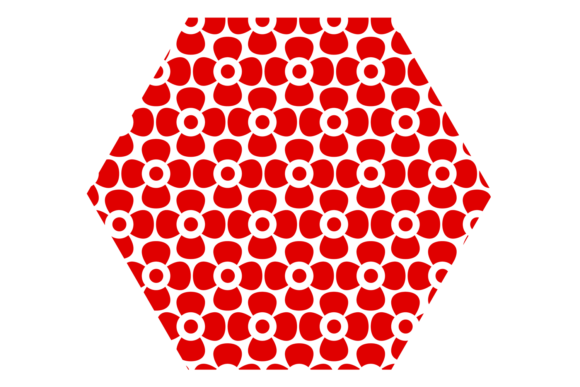
Hexagonal Flower Pattern in Asian Style
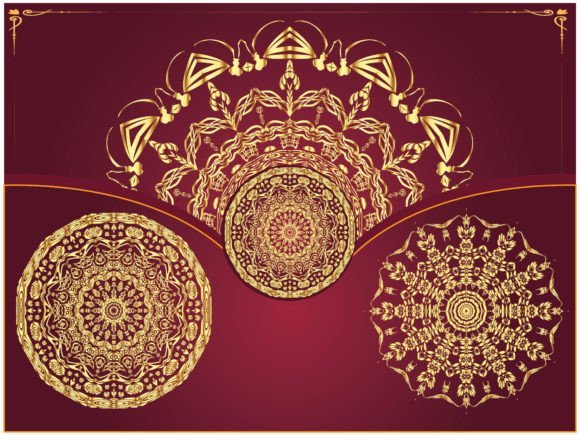
The hexagonal flower pattern in Asian style is a distinctive and elegant design element that combines the geometric symmetry of hexagons with the intricate beauty of floral motifs. Rooted in traditional Asian artistry, this pattern often features blossoms, vines, or leaves arranged within or around hexagonal shapes to create a visually harmonious and culturally rich aesthetic. It has found its way into various applications, from decorative tiles and textiles to digital illustrations and branding materials.
Aesthetic and Cultural Significance
In many Asian cultures, flowers symbolize prosperity, harmony, and spiritual growth. When combined with the hexagon—a shape associated with strength, balance, and unity—the result is a design that conveys both natural beauty and structural integrity. This duality makes it particularly appealing for spaces or products where tradition meets modernity. The pattern is commonly seen in architecture, especially in tilework, as well as in fashion, home décor, and even packaging for luxury goods.
Traditional Roots and Modern Adaptations
Historically, hexagonal designs have been used in mosaics and tiling across Asia for centuries. These patterns were not only practical for covering surfaces efficiently but also held symbolic meaning in different regions. In China, for example, hexagons are linked to Confucian ideals of harmony and order. Meanwhile, in Japan, floral elements represent the seasons and the impermanence of life. Today, these two design languages merge seamlessly in the hexagonal flower pattern in Asian style, offering a bridge between ancient symbolism and contemporary visual appeal.
Who Cares About Hexagonal Flower Pattern in Asian Style?
This pattern appeals to a wide range of audiences due to its versatility and cultural depth. Different groups may value it for distinct reasons:
- Beginners might be drawn to it for its eye-catching appearance and relative ease of incorporating into simple projects like scrapbooking or basic graphic design.
- Designers and Creators appreciate the flexibility of using the pattern in both print and digital formats, allowing them to experiment with color schemes, scale, and repetition.
- Business Owners see it as a unique branding opportunity, especially in industries like fashion, interior design, or wellness, where aesthetics play a key role in customer perception.
- Educators can use it as a teaching tool in art history or design classes, discussing how geometry and nature intersect in cultural expression.
- Hobbyists enjoy working with this pattern when crafting DIY home décor items such as wall art, coasters, or fabric patches.
Practical Uses Across Audiences
For beginners, the hexagonal flower pattern in Asian style serves as an accessible entry point into pattern-based design. Its structured yet artistic layout allows new creators to work with pre-made templates or follow step-by-step guides to replicate it on paper, fabric, or digital platforms. A beginner might start by downloading a high-resolution EPS file of the pattern and experimenting with color variations in Adobe Illustrator before printing it onto canvas or T-shirts.
Experienced designers might seek out high-quality JPGs or vector files of the hexagonal flower pattern in Asian style for more advanced applications. They could manipulate the pattern's layers, adjust stroke widths, or blend it with other motifs to suit specific client needs. For instance, a professional might integrate the pattern into a logo design for a tea shop, subtly aligning the brand with Eastern traditions while maintaining a clean, modern look.
Entrepreneurs in the retail or craft sectors may find this pattern valuable for product differentiation. Whether printed on ceramic tiles for resale or incorporated into wallpaper for boutique hotels, the hexagonal flower pattern in Asian style offers a niche aesthetic that can attract customers looking for something beyond mainstream designs. High-resolution assets like isolated EPS files ensure scalability without loss of detail, making them ideal for commercial printing or web use.
Marketers could leverage the pattern’s cultural resonance in campaigns targeting markets interested in mindfulness, wellness, or eco-friendly living. The pattern’s association with nature and balance makes it a strong visual metaphor for brands promoting yoga, meditation, or plant-based products. An online store selling stationery or lifestyle products might feature the pattern in promotional banners or social media posts to evoke a sense of calm and sophistication.
Bloggers and content creators might use the pattern to enhance their website visuals or Instagram stories. An isolated white background JPG of the hexagonal flower pattern in Asian style can serve as a minimalist accent behind text, adding a touch of elegance without overwhelming the viewer. Such imagery supports storytelling and helps maintain a cohesive visual identity across platforms.
Choosing the Right Format: EPS vs. JPG
When sourcing the hexagonal flower pattern in Asian style, understanding the difference between EPS and JPG formats is essential:
- EPS (Encapsulated PostScript): This vector format is perfect for resizing without losing quality. Designers and professionals prefer it for logos, large-format prints, and scalable graphics. If you plan to use the pattern on a variety of surfaces—like signage, apparel, or packaging—an EPS file ensures clarity at any size.
- JPG (Joint Photographic Experts Group): Ideal for web use and quick sharing, JPG files offer good image quality in a compressed format. Hobbyists or marketers who need ready-to-use images for blogs, e-commerce sites, or social media will benefit from high-resolution JPGs of the hexagonal flower pattern in Asian style with a white background for easy integration into layouts.
Examples of Use
Here are some tailored examples of how different users might apply the hexagonal flower pattern in Asian style:
- Interior Designer: Incorporating hexagonal floral tile motifs into a bathroom backsplash to add texture and cultural flair while maintaining a clean, modern space.
- Freelance Illustrator: Using the pattern as a base for creating custom illustrations that blend Asian-inspired elements with geometric precision.
- Small Business Owner: Printing the pattern on reusable shopping bags for a local boutique specializing in handmade goods, enhancing brand recognition with a signature design.
- Home Decor Enthusiast: Creating a DIY wall decal using an isolated JPG of the pattern to personalize a living room without committing to permanent changes.
Priorities and Applications
Each audience approaches the hexagonal flower pattern in Asian style with different priorities:
- Cost and Speed: Entrepreneurs and hobbyists may prioritize cost-effective solutions and fast turnaround times, favoring pre-made JPGs over custom vector files.
- Quality and Flexibility: Professionals and publishers require high-quality, scalable assets like EPS files to ensure the pattern looks sharp in all formats and sizes.
- Creativity and Learning Value: Educators and students might explore the pattern to understand design principles, cultural symbolism, and the interplay between geometry and organic forms.
- Commercial and Brand Value: Marketers and business owners focus on how the pattern aligns with their brand identity and resonates with target demographics, especially in global or multicultural markets.
Consider a small café owner aiming to create a serene atmosphere inspired by Zen gardens. They might choose an isolated JPG of the hexagonal flower pattern in Asian style to print on menus, table mats, or napkins, reinforcing the theme through consistent design. In contrast, a freelance designer hired to create a logo for a wellness startup would likely request an EPS file to maintain crisp edges and adapt the pattern to multiple uses—business cards, websites, and merchandise.
How to Get Started
If you're curious about the hexagonal flower pattern in Asian style, here are a few ways to begin exploring its potential:
- Download Sample Files: Look for royalty-free or premium EPS and JPG versions of the pattern on design marketplaces or stock image sites. Isolated white background versions are great for layering and editing.
- Experiment Digitally: Use design software like Photoshop or Illustrator to tweak colors, add gradients, or combine the pattern with other elements. Beginners can follow online tutorials for guidance.
- Try Physical Projects: Print the pattern on canvas, wood, or fabric and incorporate it into home décor or custom gifts. This hands-on approach is excellent for hobbyists and small business owners.
- Study Cultural Context: Research the meanings behind specific flowers in Asian culture. Understanding the symbolism adds depth to your use of the pattern and helps avoid misinterpretation.
Matching Your Goals
To determine if the hexagonal flower pattern in Asian style fits your project, consider the following questions:
- Do you want a design that feels both modern and rooted in tradition?
- Is your audience likely to appreciate Asian-inspired aesthetics?
- Will the pattern need to be resized frequently or used in various formats?
- Are you looking for a versatile asset that works in both digital and print media?
If you answered “yes” to most of these, then the hexagonal flower pattern in Asian style might be an excellent choice. Its ability to blend structure and softness, formality and warmth, makes it adaptable to numerous contexts and preferences.
Final Thoughts
The hexagonal flower pattern in Asian style is more than just a decorative motif—it’s a meaningful design language that bridges cultures and eras. Whether you’re a novice learning to create your first piece of art, a professional seeking inspiration for a new campaign, or a small business owner wanting to stand out in a crowded market, this pattern offers something unique. By choosing the right format—EPS for scalability and JPG for convenience—you can tailor its use to your specific needs while honoring its rich heritage.