Geometric Ornament Design: A Timeless Trend for Modern Creativity
Geometric ornament design has emerged as a powerful tool in the creative world, offering an elegant balance between tradition and innovation. These designs combine structured shapes with intricate patterns to create visual elements that are both artistic and functional. Whether you're a graphic designer, a hobbyist working on DIY projects, or a business owner looking to elevate your branding materials, geometric ornamentation provides a unique way to stand out while maintaining a classic aesthetic.
Understanding Geometric Ornament Design
At its core, geometric ornament design refers to decorative motifs built using precise mathematical forms such as triangles, circles, squares, and polygons. Unlike floral or organic styles, these ornaments rely on symmetry, repetition, and alignment to create visually compelling artwork. The result is a look that feels refined yet versatile, making it ideal for a wide range of applications from digital media to physical crafts.
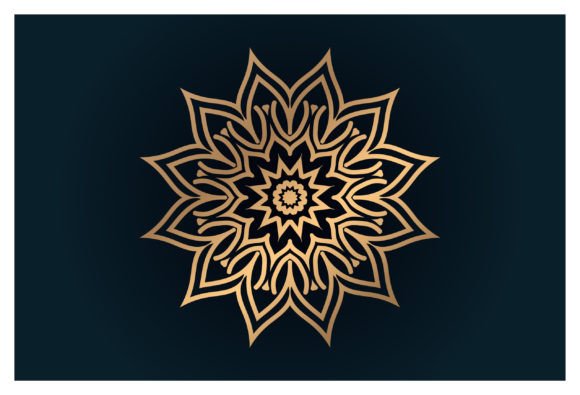
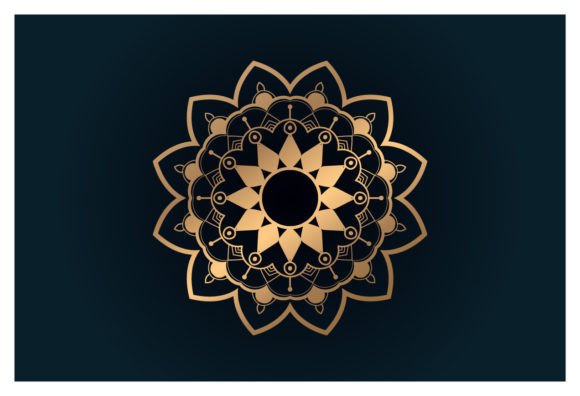
One standout example is a black ornament clipart illustration featuring a detailed filigree pattern. This type of design is particularly popular among creators who want to add sophistication to their work without overwhelming the viewer. Its clean lines and bold contrast make it suitable for everything from book covers to greeting cards.
The Rise of Geometric Patterns in Contemporary Design
In recent years, there's been a noticeable shift toward minimalist and modern aesthetics across industries. However, this doesn't mean that ornate designs have fallen out of favor. Instead, they've evolved—geometric ornament design has become a go-to choice for those seeking complexity within simplicity. This trend reflects changing consumer preferences where subtlety and elegance are valued over excessive detail.
Modern workflows also play a role in this resurgence. With tools like Adobe Illustrator and Cricut machines becoming more accessible, designers can easily incorporate geometric elements into their projects. For instance, a black filigree drawing can be effortlessly imported into vector software and manipulated to fit specific needs. The ability to scale and adapt these designs makes them especially useful for print-on-demand platforms and other digital-first ventures.
Why Geometric Ornament Design Matters Today
As businesses and individuals increasingly focus on brand identity and visual storytelling, ornamental design signs help establish a strong impression. In marketing, for example, a well-placed geometric border or background pattern can transform a simple website banner into a striking visual statement.
- Professional Appeal: These designs are often used in corporate branding to convey structure and creativity simultaneously.
- Crafting Versatility: From scrapbooking to card-making, geometric patterns offer endless customization options.
- Adaptability: They perform exceptionally well in both high-resolution print and digital formats, ensuring consistency across mediums.
Real-World Applications of Geometric Ornament Artwork
Consider how a single abstract artwork can serve multiple purposes. A black geometric ornament might appear on a book cover to signal intellectual depth, or it could be part of a blog header to enhance the site’s visual appeal. Here are some common uses:
- Art & Illustrations: Artists use these patterns to frame pieces or integrate them into mixed-media works.
- Invitation Cards: Wedding invitations or event flyers benefit from the refined look of geometric borders.
- Business Cards: Adding a subtle geometric flourish elevates the professionalism of printed contact info.
- Print on Demand: E-commerce brands leverage these graphics to personalize products like mugs, t-shirts, and notebooks.
- Scrapbooking: Hobbyists love using them to embellish pages with minimal effort but maximum impact.
Working with Vector Graphics and High-Resolution Files
For designers who want precision and scalability, oriental vector graphics provide a reliable solution. Take the case of a filigree drawing available in various file types—PNG, SVG, EPS, JPG, AI, and DXF. These formats allow for seamless integration into different design environments, whether you're cutting paper with a Cricut machine or editing in Photoshop Elements.
The size of the design (4936x3319px at 300 dpi) ensures that it retains clarity when printed, which is essential for professional-grade outputs. When paired with compatible software like GIMP or Adobe Illustrator, users can layer, adjust colors, or animate these elements to suit their vision.
Choosing the Right File Type for Your Project
Not all file formats are created equal. Understanding which one to use depends on your intended application:
- PNG: Best for web-based visuals due to transparency support and crisp edges.
- SVG: Ideal for scalable designs, especially if you plan to modify them digitally.
- JPG: Suitable for photography-style backgrounds or full-color prints.
- AI/EPS: Preferred by professionals for editable vector paths and advanced manipulation.
- DXF: Great for laser cutting and CNC machines, allowing for precise material reproduction.
All these files are typically bundled in a ZIP folder, simplifying the download and organization process. This setup is especially convenient for creatives who need quick access to multiple versions of the same design.
Enhancing Your Workflow with Decorative Art
Whether you're designing a new logo or planning a themed party, having access to ready-made decorative art can streamline your workflow significantly. For instance, using a pre-designed geometric ornament means you can avoid spending hours sketching from scratch while still achieving a custom look.
Entrepreneurs in the print industry will find that incorporating geometric elements into their templates helps attract customers who appreciate attention to detail. Similarly, bloggers and educators can use these illustrations to break up text-heavy layouts and improve user engagement. The key is to choose designs that align with your content’s tone and purpose.
Practical Tips for Using Geometric Ornaments
To get the most out of geometric ornament design, consider the following best practices:
- Use high-resolution images (like the 300 dpi option) for print materials to maintain quality.
- Experiment with layering to create dimension and depth in digital compositions.
- Stick to a limited color palette to ensure the design remains cohesive and uncluttered.
- Test the design in different contexts before finalizing—how it looks on a banner may differ from how it appears on a business card.
With the right approach, these elements can enhance your project without overshadowing its core message. Think of them as accents rather than focal points—tools that guide the eye and enrich the overall composition.
Future-Proofing Your Creative Projects
As design trends continue to evolve, geometric ornamentation remains relevant due to its adaptability. It fits comfortably into both traditional and contemporary spaces, from vintage-inspired packaging to futuristic tech interfaces. This dual appeal makes it a safe yet stylish choice for long-term creative projects.
Moreover, the increasing popularity of digital crafting means that demand for scalable, editable design assets is higher than ever. Tools like Cricut and Silhouette are now staples in home studios and small businesses alike, and geometric ornaments are perfect for such devices. Their structured nature allows for clean cuts and consistent results, even for beginners.
Where to Find Quality Geometric Ornament Designs
If you’re looking for a black ornament clipart illustration or any other geometric motif, many online marketplaces and specialized shops offer a wide selection. These resources often include ready-to-use files optimized for printing and digital use. One such collection features a calligraphic-style filigree that blends eastern influence with western design sensibilities.
By visiting a dedicated decorative art shop, you can explore a variety of options tailored to different industries and purposes. Whether you're after something subtle for a blog post or something bold for a greeting card, the right geometric design can make all the difference.
Final Thoughts on Geometric Ornament Design
Geometric ornament design is more than just a stylistic preference—it's a reflection of our evolving relationship with design and technology. As we seek efficiency without compromising beauty, these patterns offer a bridge between craftsmanship and automation. Their relevance spans across fields, proving that thoughtful design can remain timeless in a rapidly changing landscape.
So, if you're aiming to amaze your customers with something fresh yet familiar, consider integrating a black ornament clipart illustration into your next project. Let the geometry speak for itself, and watch as it adds a touch of sophistication to your creative output.