Flower Line Art: A Bold and Modern Design Trend for Creative Professionals
In the ever-evolving world of design, visual elements must not only capture attention but also align with contemporary trends. One such element that has gained traction across industries is Flower Line Art. This striking style features a bold red and white flower against a sleek black background, offering an elegant yet vibrant aesthetic that appeals to professionals, creators, entrepreneurs, marketers, freelancers, and enthusiasts alike. With its clean lines, high contrast, and minimalistic approach, Flower Line Art provides a versatile asset suitable for various digital and print applications.
What Is Flower Line Art?
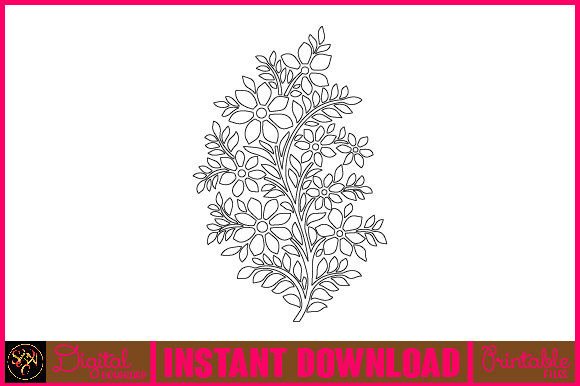
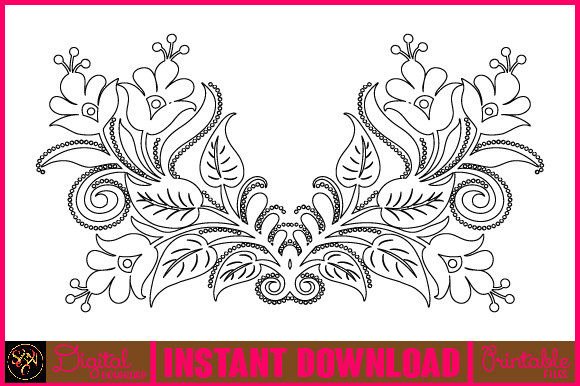
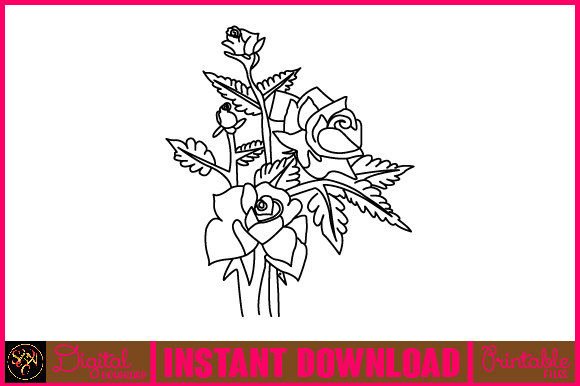
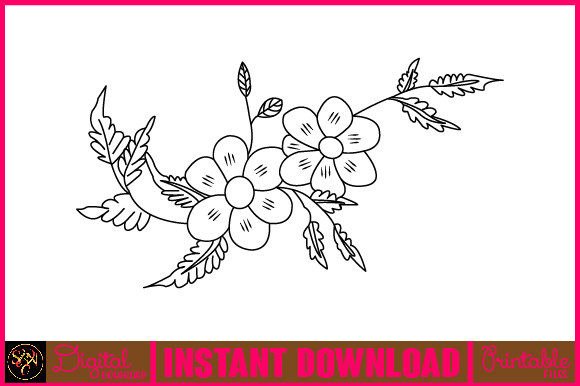
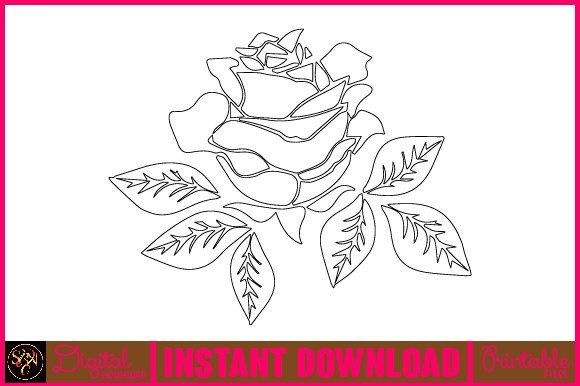
Flower Line Art is a stylized form of floral illustration that combines simplicity with visual impact. Typically composed of a single, prominent flower rendered in red or white, it’s set against a black backdrop to emphasize contrast. The use of line art—where color is replaced by outlines and shading—is a nod to minimalist design principles while maintaining a strong connection to nature through botanical themes. These designs are often available in multiple formats, including SVG and PNG transparent files, making them ideal for both scalable vector work and layered graphic projects.
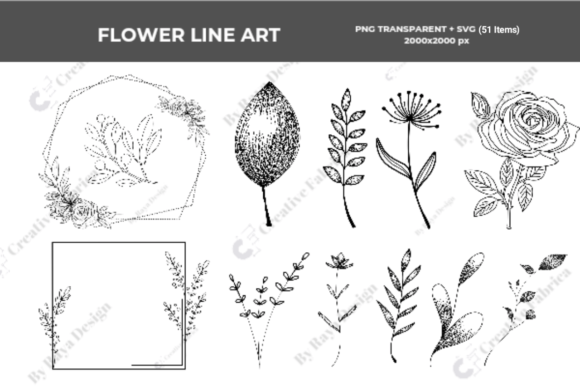
With 51 items in a single folder, this collection offers a comprehensive library of Flower Line Art variations. Each file is crafted to maintain the essence of the theme while providing unique perspectives, such as different blossom shapes, petal arrangements, and symbolic representations. The result is a cohesive yet diverse portfolio of illustrations that can be easily integrated into branding, marketing materials, website graphics, app interfaces, and more.
The Role of Flower Line Art in Contemporary Design
Design trends have shifted toward minimalism and maximalist contrasts in recent years, and Flower Line Art perfectly encapsulates this duality. The bold red and white flowers represent vibrancy and attention-grabbing appeal, while the black background ensures a modern, sophisticated feel. This balance makes the design particularly relevant in today’s fast-paced digital environment where visuals need to stand out quickly and effectively.
From a creative standpoint, Flower Line Art bridges the gap between traditional floral motifs and modern, abstract aesthetics. It’s not just about beauty—it's about storytelling through visual symbolism. Flowers like poppies, which are often included in these collections, carry cultural and emotional significance, adding depth to any project they're featured in.
Applications Across Industries
- Branding & Marketing: Businesses seeking to communicate elegance, femininity, and a touch of nature often turn to Flower Line Art. Its clean presentation allows it to be used on logos, social media banners, and packaging without overwhelming the viewer.
- Web & App Design: In user interface (UI) design, these illustrations serve as decorative accents or section dividers. Their transparency and scalability make them perfect for overlays, hover effects, or background elements that add interest without cluttering the layout.
- Print Media: From fashion brochures to event invitations, the artistic quality of Flower Line Art enhances printed content with a chic, timeless look. The high-contrast format works exceptionally well in monochrome printing scenarios as well.
- E-commerce & Microstock: As a design asset, Flower Line Art is highly valuable in microstock markets. Its adaptability and universal appeal allow it to cater to a wide range of niches, from luxury brands to lifestyle bloggers looking to elevate their content visually.
Why Is Flower Line Art Gaining Popularity?
Several factors contribute to the rising popularity of Flower Line Art among design professionals and consumers. First, the demand for visual simplicity has increased alongside the rise of flat design and sans-serif typography. Users now expect clean, uncluttered visuals that communicate clearly and efficiently. Flower Line Art fits seamlessly into this trend, offering a stylish way to incorporate natural elements without sacrificing clarity.
Second, there’s a growing appreciation for nature-inspired art in both personal and professional spaces. As people become more conscious of sustainability and mindfulness, floral imagery resonates deeply. The presence of a single, boldly illustrated flower can evoke feelings of serenity, creativity, and connection to the natural world—making it a powerful tool for emotional engagement in design.
Third, the versatility of the SVG and PNG transparent file formats means designers can manipulate the assets with ease. Whether resizing for a mobile screen or layering onto a custom background, these files maintain sharpness and integrity. This adaptability is especially important in agile workflows where quick iterations and cross-platform compatibility are essential.
Consumer and Creator Preferences
Modern audiences crave authenticity and uniqueness in design. Generic stock images no longer suffice; instead, they seek assets that reflect personality and purpose. Flower Line Art meets this need by combining artistic flair with strategic design choices. The bold reds and whites symbolize passion and purity, while the black background adds a sense of mystery and sophistication. These qualities make the design appealing across demographics, from young creatives to mature professionals.
For creators, the ability to customize and repurpose these illustrations is invaluable. Whether you’re designing a product catalog, a digital magazine, or a social media campaign, having access to a curated set of Flower Line Art items enables you to maintain consistency in your visual language while adapting to specific needs. The inclusion of 51 distinct items ensures variety without compromising the core identity of the collection.
Flower Line Art in the Broader Design Ecosystem
As part of the larger movement toward minimalist and modern design, Flower Line Art reflects current preferences for intentional visuals. Unlike complex illustrations, which can distract or slow down page load times, line art offers a streamlined solution. It’s also a favorite among those who prioritize accessibility, as its high-contrast nature supports readability and visibility across devices.
This design trend aligns with broader developments in the tech and creative sectors. For example, many websites and apps now adopt dark mode interfaces, where black backgrounds are common. In such environments, the bold red and white flowers act as focal points, guiding the viewer’s eye and enhancing user experience. Similarly, in print and packaging, the use of high-contrast floral patterns is on the rise due to their ability to convey premium quality and brand identity at a glance.
Moreover, the trend towards nature-inspired aesthetics continues to influence interior design, fashion, and even product development. Flower Line Art serves as a subtle yet impactful way to incorporate botanical elements into these fields, ensuring that the final output feels both trendy and timeless.
Practical Examples of Use
- Logo Accents: A small, stylized flower can be subtly added to a logo to enhance its visual appeal without overshadowing the brand name. For instance, a wellness company might use a red poppy to symbolize vitality and strength.
- Social Media Graphics: Marketers often use isolated floral elements to create engaging posts. A Flower Line Art image can serve as a header, icon, or border, helping to reinforce a brand’s aesthetic while drawing attention to key messages.
- Email Templates: To reduce visual fatigue, email designers integrate simple, elegant graphics. A Flower Line Art piece placed strategically within a newsletter can break up text and highlight promotions or new arrivals.
- App UI Elements: In mobile and web app design, these illustrations can function as interactive buttons, separators, or loading animations. Their minimalistic nature ensures they don’t interfere with functionality but still provide a touch of style.
How to Integrate Flower Line Art Into Your Workflow
When working with Flower Line Art, consider how best to leverage its characteristics for maximum impact. Start by identifying the primary message or emotion you want to convey. Is it elegance? Vibrancy? Simplicity? Once you’ve established the goal, select the appropriate illustration from the 51-item folder and experiment with placement, scale, and color overlay if needed.
Here are some practical tips:
- Use the PNG transparent files for easy layering in photo editing software like Photoshop or Canva.
- Take advantage of the SVG format to ensure crisp rendering on all screen sizes and resolutions.
- Combine multiple pieces from the collection to create repeating patterns for backgrounds or textures.
- Try placing a Flower Line Art illustration next to a call-to-action button to draw attention and add warmth.
Additionally, since these designs are isolated, they can be used in conjunction with other elements such as geometric shapes, gradients, or text to build a cohesive visual narrative. The key is to maintain a balance—letting the illustration speak for itself while supporting the overall design intent.
Future Relevance and Creative Potential
As design continues to evolve, the role of symbolic and nature-based imagery will remain significant. Consumers and professionals alike are drawn to visuals that tell a story or evoke a feeling. Flower Line Art, with its blend of minimalism and boldness, is well-positioned to stay relevant in the coming years.
Emerging trends such as AI-generated art and dynamic, responsive design may shift how we create and apply visuals, but the underlying principles of contrast, simplicity, and elegance will endure. Flower Line Art can easily be adapted to these new paradigms, serving as a foundational element in automated design systems or as a handpicked illustration in bespoke creative projects.
Entrepreneurs and marketers should also note the potential for brand differentiation. In a saturated market, using a unique, high-quality design asset like Flower Line Art can help a business stand out. Whether applied to a product label, a landing page, or a promotional poster, the design brings a touch of class and originality.
Connecting to Larger Trends
Flower Line Art is more than just a pretty picture—it’s a reflection of how design is responding to shifting consumer values and technological capabilities. As users demand faster-loading websites and cleaner interfaces, the minimalist approach of line art becomes increasingly important. At the same time, the desire for meaningful, nature-connected content keeps floral symbols in vogue.
This trend is also supported by the rise of digital nomadism and remote work, where home offices and virtual meeting rooms benefit from calming, attractive visuals. Floral elements, when simplified and stylized, can transform a sterile digital space into one that feels welcoming and inspired.
For educators and training platforms, Flower Line Art can be used to illustrate concepts related to growth, renewal, and creativity. The visual metaphor of a blooming flower is powerful, especially when presented in a modern, artistic format.
Final Thoughts
Flower Line Art represents a thoughtful intersection of tradition and innovation. Its bold red and white flowers, paired with a sleek black background, offer a compelling visual statement that aligns with modern design sensibilities. As a design asset, it stands out in microstock libraries and is a go-to choice for professionals who value both aesthetics and functionality.
Whether you’re a marketer aiming to refresh your brand’s look, a freelancer expanding your portfolio, or a designer exploring new creative avenues, Flower Line Art provides a reliable and stylish resource. Its relevance is rooted in the changing expectations of audiences who seek authenticity, elegance, and a seamless user experience.
Thank you for shopping at our shop. Have a nice day!