Exploring the Versatility of Wavy Line Artwork in Design
Wavy line artwork is a unique and expressive form of visual design characterized by its flowing, rhythmic patterns. These designs often mimic natural elements such as water, wind, or waves, creating an aesthetic that is both elegant and dynamic. In graphic design, wavy line artwork has gained popularity for its adaptability and ability to add a touch of sophistication to various creative projects.
Why People Are Drawn to Wavy Line Artwork
Designers and artists are increasingly turning to wavy line artwork because it offers a sense of movement and fluidity that static shapes cannot. The organic nature of these lines makes them particularly appealing for those seeking to evoke a feeling of grace, harmony, or cultural inspiration—especially in oriental or traditional motifs. Additionally, wavy line artwork can serve as a subtle background element or take center stage in more abstract compositions.
Another reason for its appeal is the ease with which it can be integrated into digital workflows. For professionals using tools like Cricut, Photoshop, Illustrator, or GIMP, having access to high-quality vector-based wavy line artwork means they can scale, modify, and apply it across multiple platforms without compromising on detail or clarity.
Benefits of Using Wavy Line Artwork
- Adaptability: Wavy line artwork can be used in a wide range of formats and sizes, from business cards to banners. Its flexibility allows designers to incorporate it seamlessly into different media.
- High Resolution: With dimensions up to 4936x3319px at 300 dpi, this type of artwork is ideal for print applications where quality is essential. It ensures crisp edges and clear details when printed on paper or other materials.
- Format Variety: The availability of PNG, SVG, EPS, JPG, AI, and DXF files gives users maximum control over how they use the artwork. Each format caters to specific needs, whether for digital publishing, cutting with Cricut, or professional illustration work.
- Cultural Aesthetic: Often inspired by oriental or calligraphic styles, wavy line artwork provides an authentic decorative feel that aligns well with themes of tradition, elegance, and artistry.
Tradeoffs and Considerations
While wavy line artwork has many advantages, there are also some considerations to keep in mind. One potential tradeoff is the complexity of certain designs, which may not be suitable for every project. For instance, intricate filigree patterns might overwhelm simpler layouts or clash with minimalist aesthetics.
Additionally, while vector graphics offer scalability, some raster-based formats (like JPG) may lose quality if scaled beyond their original size. Designers should consider the intended use of the artwork before selecting the appropriate file type.
Another factor to evaluate is the purpose of your design. If you're aiming for a bold, modern look, wavy line artwork may not be the best fit. However, if your goal is to create something ornate, timeless, or culturally inspired, then it could be an excellent choice.
Situations Where Wavy Line Artwork Fits Best
There are several scenarios where wavy line artwork shines. For example:
- Invitation Cards: Adding a border or background of wavy line artwork can elevate the visual appeal of wedding invitations, event posters, or birthday cards.
- Print on Demand: This artwork works well for merchandise like t-shirts, mugs, or phone cases, especially when paired with minimal text or logos.
- Book Covers: Whether you're designing a fictional novel or a coffee table book, wavy line artwork can provide a rich texture and visual interest.
- Scrapbooking: The delicate nature of wavy lines complements scrapbook pages beautifully, offering a refined yet artistic frame for photos and journaling.
- Business Cards: Incorporating subtle wavy line elements can give your brand a sophisticated edge, making a memorable impression.
These examples highlight how versatile wavy line artwork can be. When used thoughtfully, it enhances the overall design without overpowering it.
When Alternatives Might Be Better
Despite its strengths, there are situations where alternatives to wavy line artwork might be more effective. If your design requires geometric precision or a contemporary feel, straight-line or modern typography-based graphics may be a better match. Similarly, in technical illustrations or infographics, clean and structured visuals tend to convey information more clearly than complex, flowing patterns.
For beginners or those working with limited design software capabilities, the learning curve associated with manipulating detailed vector artwork could be a barrier. In such cases, opting for simpler clipart or flat design elements might save time and reduce frustration.
Practical Tips for Selecting and Using Wavy Line Artwork
To determine whether wavy line artwork suits your needs, start by considering your design goals. Ask yourself: Does my project require an ornamental or traditional style? Will the artwork complement the rest of the layout without competing for attention?
Next, assess the file types available. Vector formats like SVG and AI are generally preferred for editing and scaling, whereas PNG and JPG are more suitable for final output in digital or print forms. Make sure to choose the right format based on your software and workflow requirements.
Also, think about color schemes. Many wavy line illustrations are offered in black, which is highly versatile and works well with most backgrounds. If you need a colored version, check if the artwork supports layering or recoloring within your design application.
Lastly, test the artwork in context. Before finalizing a project, place the design in the intended space—whether that’s a greeting card template or a website banner—to see how it looks and functions in real conditions.
Enhancing Your Projects with Wavy Line Artwork
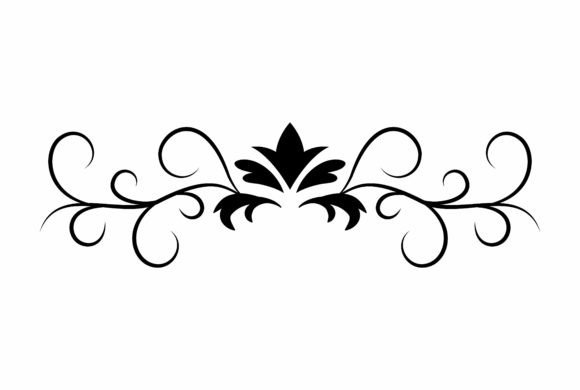
If you’re looking for a black ornament clipart illustration that adds depth and character to your designs, then this filigree drawing might just be the perfect fit. The level of detail in the abstract artwork ensures it stands out as a sign of quality craftsmanship. Whether you're aiming to amaze customers with a new product line or simply enhance your own creative portfolio, wavy line artwork can make a meaningful difference.
Its compatibility with popular designer software like Photoshop, Illustrator, and even free tools like GIMP means that users at all skill levels can benefit from its inclusion. The ZIP folder delivery method ensures convenience, allowing you to access all necessary files in one go and streamline your workflow.
Moreover, the fact that it's optimized for Cricut cutting machines opens up possibilities for paper crafts, DIY projects, and personalized gifts. This makes it a valuable asset for hobbyists and professionals alike who want to produce tangible, high-quality items.
Conclusion
Wavy line artwork is a compelling option for anyone seeking to add a decorative, artistic touch to their projects. Its ability to blend cultural aesthetics with modern design versatility makes it a strong candidate for a variety of uses—from digital media to physical crafts. However, its effectiveness depends heavily on the context in which it’s applied and the preferences of your audience.
Before incorporating wavy line artwork into your next project, evaluate its alignment with your objectives, the platform you’re using, and the overall design language you wish to communicate. If it fits well with your vision, it can be a powerful tool for creating visually striking and professionally polished results.
Visit our shop to explore more decorative art options and find the perfect elements to bring your creative ideas to life.