Elegant Abstract Art: A Versatile Element for Creative and Professional Workflows
Elegant abstract art brings a unique blend of sophistication and creativity to any design project. Unlike traditional representational art, it doesn’t aim to depict recognizable objects but instead uses colors, shapes, and forms to evoke emotion and visual interest. This makes it an ideal choice for professionals and creators who want to add a touch of class without being constrained by literal imagery.
What Is Elegant Abstract Art?
Elegant abstract art is characterized by its clean lines, balanced compositions, and minimalist aesthetics. It often features geometric patterns, fluid curves, or intricate filigree designs that are visually appealing yet unobtrusive. These artworks can be found in various formats such as PNG, SVG, EPS, JPG, AI, and DXF, making them highly adaptable for both digital and print applications.
Whether you're designing a website, creating marketing materials, or personalizing a greeting card, elegant abstract art can serve as the perfect backdrop or accent. Its non-literal nature allows it to complement a wide range of content styles while maintaining a sense of professionalism and artistic flair.
Where Does It Fit in Your Workflow?
Incorporating elegant abstract art into your workflow requires thoughtful planning. Here’s how it can play a role at different stages:
- Pre-Project Planning: Use abstract art to brainstorm visual themes for your upcoming projects. It can help establish a mood board or guide the color scheme and layout decisions before diving into the actual design work.
- During Design Execution: Apply these graphics directly in your design software—like Photoshop, Illustrator, or GIMP—to enhance elements such as headers, backgrounds, or decorative accents. The high resolution (4936x3319px at 300 dpi) ensures clarity when printing on paper, which is essential for physical outputs like business cards or banners.
- Post-Creation Enhancement: After completing a project, elegant abstract art can be used to refine the final product. For example, adding an ornamental border or subtle pattern can elevate the overall aesthetic and give a polished finish to digital assets or print-on-demand items.
Integration with Common Tools and Platforms
The beauty of elegant abstract art lies in its compatibility with a variety of graphic design tools. Since it's available in multiple file types—including SVG for scalability and PNG for transparency—it can easily be integrated into most workflows:
- Cricut Projects: The oriental vector graphic works exceptionally well with Cricut machines. Whether you're crafting invitations or custom stickers, the crisp lines and intricate details make it easy to cut out precisely from paper or other materials.
- Adobe Software Suite: Files in AI or EPS format are fully editable in Adobe Illustrator, allowing designers to customize the artwork to their specific needs. In Photoshop or Photoshop Elements, it can be layered over text or images to create depth and contrast.
- Open-Source Alternatives: For those using free tools like GIMP, the PNG and SVG versions provide flexibility without compromising quality. These formats support resizing and layering while retaining sharpness and clarity.
By ensuring your design software supports these file types, you can seamlessly incorporate elegant abstract art into your creative process. Compatibility checks during setup will save time and avoid frustrating technical hiccups later on.
Real-World Applications of Elegant Abstract Art
Abstract art isn’t just for galleries or high-end publications. Its practicality makes it a valuable asset across many industries. Consider these common use cases:
- Book Covers and Blogs: Use elegant abstract art to create visually striking book covers or blog headers. A simple, tasteful background can set the tone for your content and attract more attention from readers.
- Invitation Cards and Greeting Cards: The ornamental design signs add a refined touch to invitation cards and greeting cards. They help convey a sense of occasion without overwhelming the message or recipient.
- Business Branding Materials: From business cards to banners, integrating elegant abstract art helps maintain brand consistency. It adds a professional yet artistic feel that aligns well with modern branding trends.
- Print on Demand and Stickers: When creating products for print-on-demand services or stickers, abstract illustrations ensure that the visuals remain eye-catching and versatile across different sizes and substrates.
- Scrapbooking and Personal Projects: Hobbyists and educators often use abstract graphics to decorate pages in scrapbooks or educational materials. Their timeless appeal enhances personal storytelling and classroom presentations alike.
Practical Tips for Using Abstract Graphics
To get the most out of elegant abstract art, consider the following tips:
- Layer Strategically: Avoid placing abstract art over dense text or important information. Instead, use it as a background or border element to frame the main content effectively.
- Maintain Consistency: If you're using this artwork across multiple platforms or projects, keep the style consistent. Choose one or two variations and apply them uniformly to maintain brand identity or thematic cohesion.
- Optimize File Sizes: While working digitally, compress images where necessary to improve loading times without sacrificing quality. SVG files are especially useful for scalable, lossless resizing.
- Use High-Quality Print Settings: When printing, always confirm that your printer settings match the 300 dpi resolution of the artwork to preserve its clarity and detail.
- Organize Assets Efficiently: Store your abstract art files in clearly labeled folders based on project type or file format. This streamlines the design process and reduces time spent searching for the right asset.
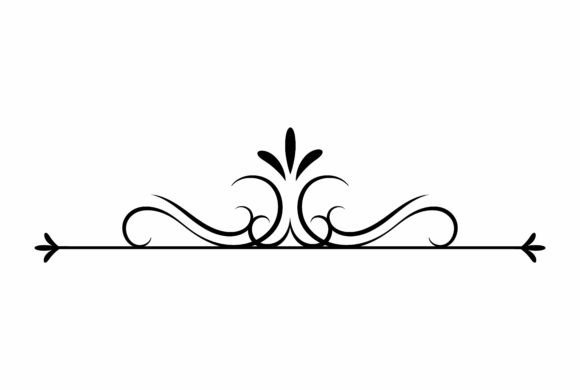
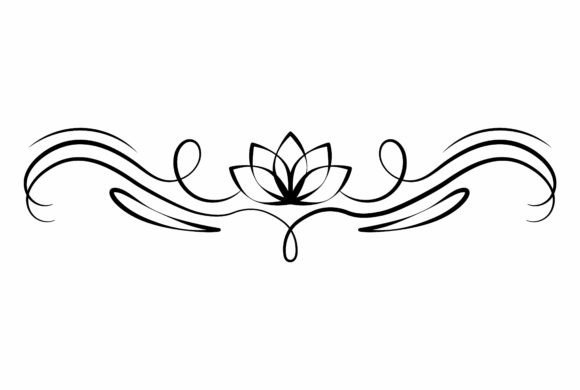
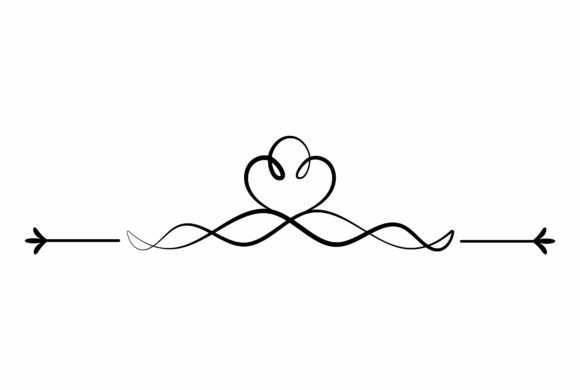
If you’re looking for a black ornament clipart illustration, this filigree drawing is a great option. Its intricate design works well in monochrome settings and adds a dramatic effect to minimalist layouts. For instance, it could serve as an elegant watermark or a subtle divider in a brochure layout.
Workflow Examples
Here’s how some users have successfully integrated elegant abstract art into their workflows:
Example 1: Website Header Design
A blogger wanted to redesign their site header for a more sophisticated look. They selected an elegant abstract art piece from a ZIP folder containing PNG and SVG files. Using Adobe Illustrator, they scaled the image to fit the banner dimensions, applied a soft gradient overlay, and exported the final design for web use. The result was a clean, modern header that enhanced the blog’s professional appearance.
Example 2: Invitation Card Creation
An event planner needed a series of wedding invitation cards with a cultural twist. They downloaded the oriental vector graphic from a digital shop and imported it into Canva. By adjusting the colors and combining it with handwritten fonts, they created a unique and memorable design that stood out from standard templates.
Example 3: Business Card Revamp
A freelance designer wanted to update their business card to reflect a new brand identity. They chose a PNG version of the elegant abstract illustration and added it as a background in Photoshop. After applying a transparent white overlay and positioning the contact information carefully, the final design was printed and received positive feedback for its balance of form and function.
Factors to Consider When Choosing and Using Abstract Art
While elegant abstract art offers many benefits, there are several factors to evaluate before incorporating it into your work:
- Preparation: Know the intended use and platform before selecting the file format. For example, SVG is best for scalable designs, while JPG might be suitable for quick email attachments.
- Usability: Test the artwork in your chosen software to ensure it performs as expected. Some vector files may require additional editing if they include complex gradients or effects.
- Quality Control: Always review the final output for alignment, clarity, and visual harmony. Even small misalignments can affect the perceived professionalism of your design.
- Long-Term Use: If you plan to reuse the artwork across multiple projects, organize it within your design library. This promotes efficiency and ensures you can quickly access it for future tasks.
When used correctly, elegant abstract art becomes more than just an accessory—it becomes part of your design language. It communicates values like creativity, precision, and style, all while supporting your primary content or message.
Where to Find and Access More Decorative Art
If you need additional resources, visiting a dedicated shop for decorative art is a smart move. These shops typically offer curated collections of high-quality graphics that are ready for immediate use. You’ll find options tailored for different themes, including oriental, floral, geometric, and more.
Once you’ve selected the right file, download the ZIP folder and extract the contents. Organize the files by project or purpose to streamline your workflow. Remember to check licensing terms to ensure you can use the artwork legally in your intended context.
Final Thoughts on Enhancing Your Projects
Elegant abstract art is a powerful tool when used thoughtfully. It complements rather than competes with your content, providing structure and style in equal measure. Whether you're a marketer, educator, or hobbyist, integrating these graphics can help you stand out while maintaining a cohesive and professional look.
As with any resource, the key is to understand how it fits into your broader workflow. Experiment with placement, color adjustments, and combinations to see what resonates best with your audience. Over time, you’ll develop a sense of how to use elegant abstract art to enhance your outcomes efficiently and effectively.
Visit our shop for more decorative art and explore the possibilities of transforming your next project with a refined, artistic edge.