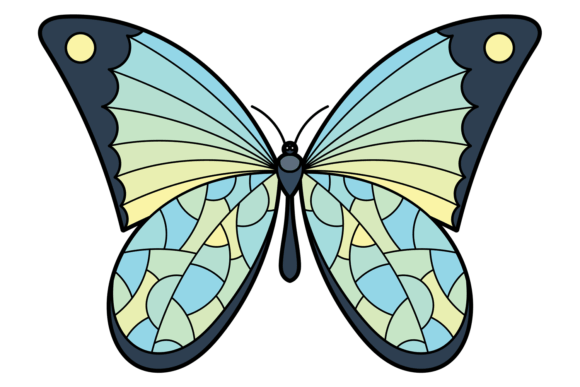
Butterfly with Patterned Wings: The Beauty and Significance of Decorative Insects in Art and Nature
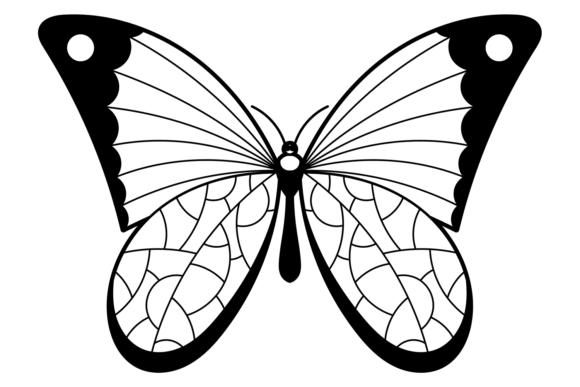
The butterfly, especially one with patterned wings, is among the most captivating and symbolic creatures in the natural world. These delicate yet resilient insects are not only essential to ecosystems but also serve as a powerful source of inspiration for art, design, and scientific study. When depicted in media such as EPS, JPG, SVG, or transparent PNG formats, butterflies with patterned wings become even more versatile tools for creative expression and commercial use. This article explores the biology, symbolism, and practical applications of these decorative flying insects, shedding light on why they continue to fascinate people across cultures and industries.
What Makes a Butterfly’s Wing So Unique?
Butterflies belong to the order Lepidoptera, which also includes moths. What sets them apart is their vibrant coloration and intricate wing patterns—features that have evolved over millions of years for various purposes. The scales on a butterfly's wings create colors through both pigmentation and structural interference of light. This means that some colors appear due to microscopic structures on the wings rather than actual pigments, resulting in iridescent effects that change with the angle of view.
The wing patterns themselves can be incredibly diverse. Some butterflies mimic the appearance of toxic species to deter predators, while others use camouflage to blend into their surroundings. Still, many simply display beautiful designs that seem to exist for aesthetic appeal alone. These patterns often include symmetrical shapes, eye-like markings, and bold lines that make each species instantly recognizable.
Biological Functions of Wing Patterns
- Predator Deterrence: Many butterflies have evolved to look like leaves, flowers, or even other animals to avoid being eaten. For example, the owl butterfly has large eye spots that startle birds when its wings are suddenly opened.
- Thermoregulation: Darker patterns on the wings can help absorb sunlight, warming the insect in cooler environments.
- Mating Displays: Bright colors and unique patterns often play a role in attracting mates. Male butterflies may perform courtship flights where their wing displays are central to the ritual.
- Species Recognition: Wing patterns help butterflies identify members of their own species, especially during mating season.
Symbolism and Cultural Significance
Throughout history, butterflies have been used as symbols in literature, religion, and mythology. Their transformation from caterpillar to chrysalis to adult is often seen as a metaphor for rebirth, personal growth, and spiritual awakening. In many Eastern traditions, butterflies represent the soul, while in Western cultures, they are frequently associated with beauty, freedom, and change.
In art and design, butterflies with patterned wings are popular motifs. They appear in everything from fashion prints to home décor and even tattoo designs. The visual appeal of their wings lies in the balance between complexity and symmetry, making them ideal for creating striking imagery that resonates emotionally with viewers.
Butterflies in Modern Creativity
- Fashion Industry: Designers often incorporate butterfly patterns into clothing, accessories, and fabric prints. These images add a touch of elegance and whimsy, appealing to a wide range of consumers.
- Graphic Design: Digital artists and illustrators frequently use butterfly graphics, especially those with detailed wing patterns, in branding, website design, and marketing materials.
- Home Décor: From wallpaper to cushions, butterfly designs bring a sense of nature and tranquility into interior spaces. They are particularly popular in bohemian and tropical-themed décor.
- Tattoos and Body Art: Butterflies are one of the most common tattoo designs globally. The specific wing pattern chosen often carries personal meaning, reflecting an individual's journey or identity.
Decorative Moths: A Lesser-Known Cousin
While butterflies often steal the spotlight, moths are equally fascinating and visually stunning. Like butterflies, moths also have patterned wings, though they tend to be more muted in color and active at night. However, certain species of moths—such as the Luna moth or the Atlas moth—are known for their elaborate and decorative wings, sometimes larger and more intricate than those of butterflies.
Despite their nocturnal habits, moths are increasingly recognized in artistic contexts. Their subtle beauty and mysterious allure make them excellent subjects for photography and illustration. When placed on a white background, the contrast highlights the fine details of their wings, making them ideal for high-quality graphic assets.
Why Are Patterned Wings Popular in Visual Media?
Patterned wings offer a wealth of visual interest, making them highly desirable in digital and print media. Here’s why they are so widely used:
- High Detail: The complex patterns on butterfly and moth wings allow for rich textures and vivid illustrations that stand out in any design context.
- Color Variety: With thousands of species exhibiting different hues and combinations, there is no shortage of options for designers seeking unique palettes.
- Versatility: Whether you need a realistic photo or a stylized vector image, butterflies and moths adapt well to various artistic styles and formats.
- Positive Associations: Butterflies are generally perceived as positive and uplifting symbols, which makes them effective in branding and advertising campaigns.
Applications in Business and Technology
As the demand for original and engaging visual content continues to rise, businesses and technologists are finding new ways to leverage the imagery of butterflies and moths. High-resolution images and scalable vector graphics (SVGs) are particularly valuable for companies involved in digital marketing, app development, and product packaging.
Use in Branding and Marketing
Many brands use butterfly imagery to convey messages of transformation, grace, and innovation. A butterfly with patterned wings can serve as a memorable logo or icon, especially for businesses related to wellness, travel, or environmental causes. For instance, eco-friendly products often feature butterfly graphics to emphasize sustainability and harmony with nature.
Digital Assets for Web and App Design
With the rise of e-commerce and mobile platforms, the use of transparent PNG files and SVGs has become essential. A transparent PNG allows a butterfly to be seamlessly integrated into web pages, app interfaces, or digital presentations without distracting backgrounds. Similarly, SVG format ensures scalability, enabling the same image to look sharp on anything from a smartphone screen to a billboard.
Scientific and Educational Uses
Beyond aesthetics, butterflies and moths are important educational tools. Their life cycle and wing patterns are commonly used in biology classes to teach about metamorphosis and evolution. High-quality images and diagrams of these insects help students visualize concepts that might otherwise be abstract.
Additionally, researchers studying biodiversity or conservation efforts often rely on detailed illustrations of butterfly and moth wings to identify species and monitor population changes. These visuals are crucial in field guides, academic publications, and wildlife databases.
Common Misunderstandings About Butterflies and Moths
Despite their popularity, several misconceptions persist about butterflies and moths. One of the most common is the belief that all moths are dull-colored and all butterflies are bright and colorful. While this is true for many species, exceptions abound. Some moths, like the Madagascan sunset moth, are brilliantly colored and diurnal, while certain butterflies have plain, unpatterned wings.
Another misconception is that butterflies and moths are the same. Though they share similarities, they are distinct in terms of behavior, anatomy, and activity patterns. For example, butterflies typically hold their wings vertically when resting, whereas moths tend to spread theirs horizontally.
How to Choose the Right Image Format
If you're using butterfly or moth imagery for a project, selecting the right file format is key to achieving the desired outcome:
- JPG: Ideal for photographs with realistic detail. Compressed for fast loading on websites.
- EPS: Preferred for professional printing and vector-based editing. Maintains clarity at any size.
- SVG: Best for digital use, especially interactive or responsive web design. Allows for easy customization and animation.
- Transparent PNG: Perfect for overlays, logos, or elements that require a clean background. Supports alpha transparency for smooth integration into any layout.
Understanding the strengths of each format helps ensure your butterfly or moth graphic will be used effectively and professionally.
Creating Your Own Butterfly Graphics
If you're interested in generating or customizing butterfly graphics for your work or projects, here are some tips to consider:
Use Vector-Based Tools
Vector graphics software like Adobe Illustrator or free alternatives such as Inkscape can be used to create or modify butterfly designs. These tools allow for precise scaling and editing of patterns, making it easier to maintain quality in different sizes and resolutions.
Explore Free and Paid Graphic Resources
Websites like Flaticon, SVG Repo, and Shutterstock offer a wide range of butterfly and moth graphics in various formats. Always check licensing agreements to ensure proper usage rights, especially for commercial applications.
Custom Illustrations for Specific Needs
For unique or brand-specific needs, hiring an illustrator can provide tailored results. Custom butterfly designs can reflect a company's values, a designer's style, or even a client’s personal story. This level of personalization adds depth and meaning to the final product.
Conclusion
Butterflies with patterned wings and their close relatives, decorative moths, are more than just pretty pictures—they are windows into the wonders of nature and creativity. Their biological significance, cultural symbolism, and aesthetic appeal make them versatile subjects for education, business, and artistic endeavors. Whether you're a scientist, a designer, or simply someone who appreciates beauty in the natural world, these insects offer endless opportunities for exploration and inspiration.
By understanding the science behind their patterns, the stories they tell in art and culture, and how to best use them in modern design, we can appreciate butterflies and moths on multiple levels. And with access to high-quality graphics in formats like EPS, JPG, SVG, and transparent PNG, incorporating these elegant creatures into our work has never been easier—or more impactful.